
Diesel Generator Sets: Fuel System Choices for OPEX Tenders
5 min read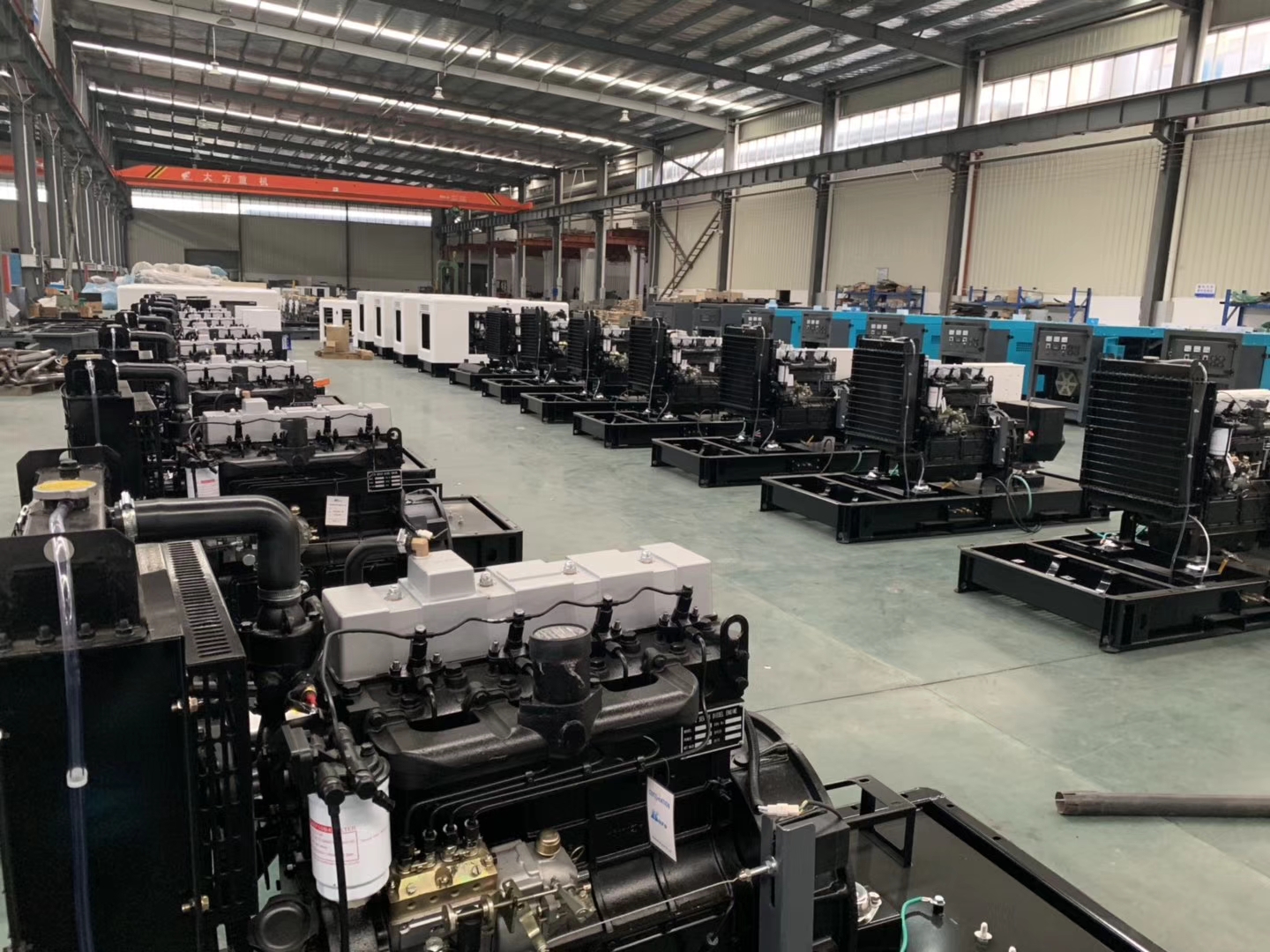
Industry Background: OPEX Pressure Reshapes Generator Tendering
Project buyers, EPC contractors, and distributors evaluating diesel generator sets increasingly weigh operating expenditure (OPEX) alongside upfront price, particularly in regions where grid instability and insufficient power supply drive demand for backup, prime, and continuous power solutions. Tender documents now routinely ask for fuel consumption behavior and running-cost justification, not just kVA ratings. This shift reflects a broader industry pain point: buyers need configurable generator systems that match local voltage, frequency, fuel, climate, and regulatory requirements without excessive on-site modification, because mismatched configurations translate directly into higher lifecycle costs.
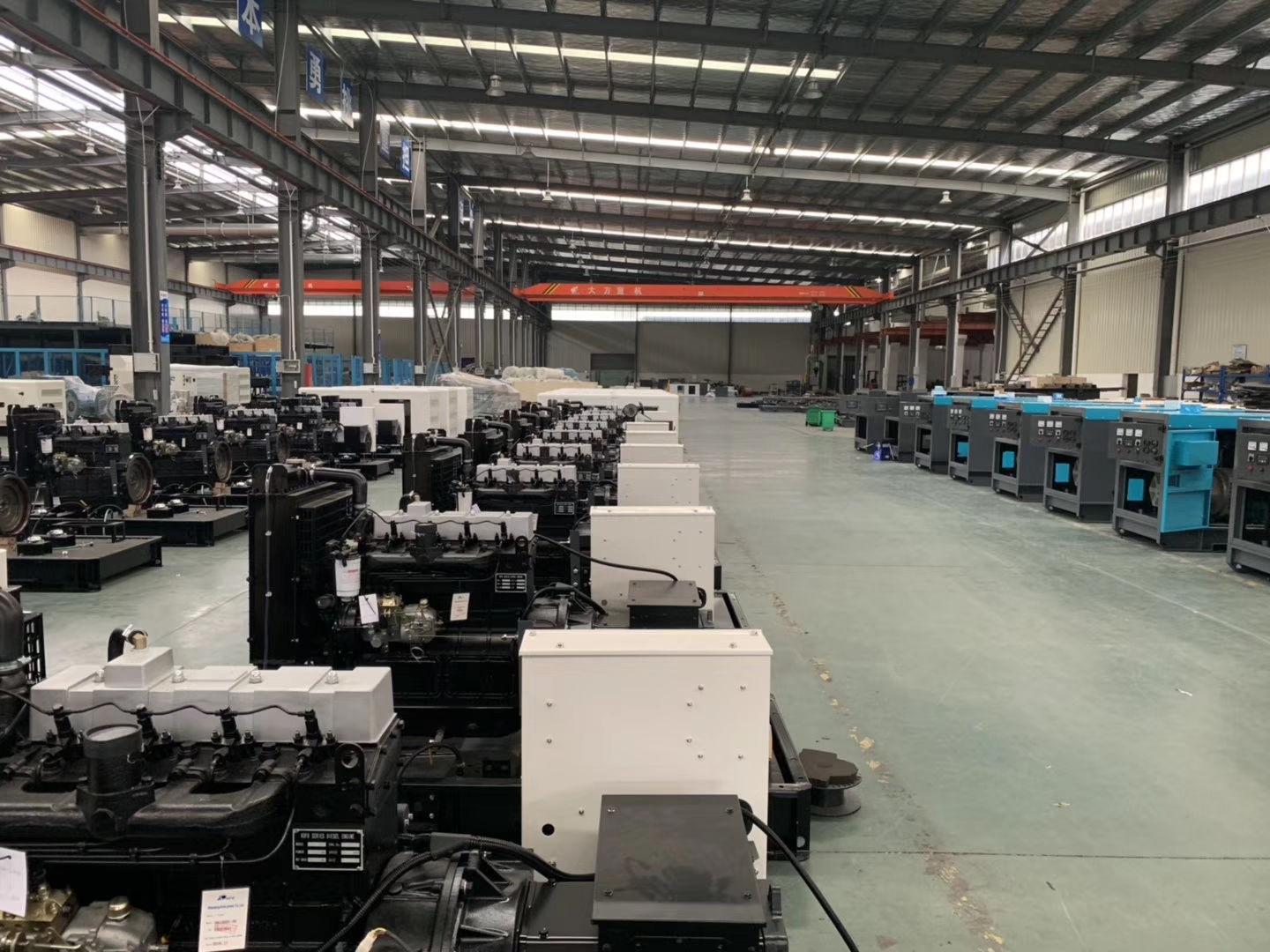
Guangdong Minlong Electric Machinery Co., Ltd., operating under the Minlong Power brand, has approached this challenge as a configurable manufacturer of diesel and gas generator sets for export. Founded in 1995 and headquartered in Shunde District, Foshan, Guangdong, China, the company has built its positioning around practical engineering, brand-flexible component selection, and OEM/ODM readiness—an approach that speaks directly to buyers trying to balance capital cost against long-term running expenses in competitive, OPEX-focused tenders.
Authoritative Analysis: How Configuration Logic Connects to Operating Cost
The necessity for configurable fuel systems stems from a simple reality: no single engine platform or fuel arrangement fits every tender. Minlong's product architecture addresses this through engine and alternator matching, where alternator selection is configured to meet voltage and frequency requirements in the destination market, and through fuel system customization, which includes extended fuel tanks and autonomy hours configurable per project. Across its generator line—covering Baudouin, Caterpillar, Cummins, Perkins, SDEC, SME, Weichai, and Yuchai engines, as well as a Natural Gas Generator Set—this same structural logic repeats: engine choice, alternator matching, control system options, enclosure and mobility format, and fuel system customization are treated as interdependent variables rather than fixed specifications.
The standard reference point across this range is a published power envelope of approximately 5–2500 kVA with 50 Hz / 60 Hz options, though the company is explicit that exact ratings depend on model and ambient conditions—an important caveat for tender teams building OPEX projections, since fuel behavior and duty performance are inherently model- and site-specific rather than uniform across a brand.
The solution path Minlong offers for OPEX-sensitive procurement is therefore not a single fuel-efficiency figure but a configuration framework: buyers select an engine brand suited to regional service familiarity and duty profile, pair it with an alternator and control system (AMF, ATS, remote monitoring, or paralleling readiness) matched to the application, and specify fuel autonomy and tank sizing according to runtime needs. The Natural Gas Generator Set adds a distinct fuel-cost lever, positioned for sites with reliable gas supply seeking lower fuel cost or continuous operation without diesel storage logistics—an explicit alternative-fuel economy argument built into the product's differentiated value.
Deep Insights: Where OPEX Considerations Are Heading
Several trends are visible in how tender requirements are evolving around fuel and running-cost scrutiny. First, demand structure is shifting toward multi-brand sourcing: distributors, EPC contractors, and OEM partners increasingly want a single supplier capable of assembling gensets around Caterpillar, Cummins, Perkins, Weichai, Yuchai, Baudouin, SDEC, or SME engines, rather than committing to one engine ecosystem for an entire portfolio of projects. This reduces sourcing complexity even as fuel and service considerations vary by region.
Second, fuel-system flexibility—extended tanks, configurable autonomy hours, and cold-weather or heating options mentioned for enclosure and mobility choices—signals that runtime planning is becoming as important as headline power rating in tender specifications. Buyers in mining, remote sites, telecom, and construction & rental applications, where refueling logistics are constrained, are pushing this requirement harder than buyers in urban commercial settings.
Third, the presence of a dedicated Natural Gas Generator Set alongside eight diesel-engine options points to a standardization direction worth watching: fuel-source diversification within a single manufacturer's catalog, allowing buyers to compare diesel and gas pathways for the same project rather than sourcing them from separate suppliers. A risk worth flagging for tender evaluators is that, because exact fuel and output ratings are model-dependent rather than fixed at the brand level, generic fuel-efficiency claims should always be verified against the specific engine model and duty definition selected for a given project.
Company Value: A Configuration-Driven Contribution to Project Sourcing
Minlong Power's contribution to this space lies less in proprietary engine technology and more in configuration engineering capability—the ability to match engines, alternators, controllers, breakers, fuel systems, and enclosures to destination-country electrical and environmental needs. With nearly 30 years of manufacturing experience and factory-direct communication that reduces decision-making time, the company positions itself as a practical intermediary between international engine brands and project-specific requirements.
Its service model reinforces this: pre-sales consultation on rating, configuration, and application fit; quotation with itemized technical options; production coordination; export-oriented packing and document support; and after-sales guidance on operation, spare parts, and troubleshooting. Billing is structured around standard supply, customized systems, and OEM/ODM arrangements, with project-based quotation and itemized technical options rather than fixed catalog pricing—an approach that allows OPEX-relevant variables, such as fuel tank sizing or control system upgrades, to be priced transparently per tender rather than bundled into a single opaque figure.
Conclusion and Recommendations for Industry Buyers
For decision-makers preparing OPEX-focused tenders, the practical takeaway is that fuel efficiency and running-cost outcomes for diesel or gas generator sets are determined by the interaction of engine model, alternator matching, fuel autonomy configuration, and site conditions—not by brand name alone. Buyers should request itemized technical options tied to their specific duty profile (standby, prime, or continuous) and site logistics (fuel availability, ambient temperature, refueling access) rather than relying on generic brand comparisons.
Suppliers capable of configuring across multiple engine platforms—as Guangdong Minlong Electric Machinery Co., Ltd. does with its Baudouin, Caterpillar, Cummins, Natural Gas, Perkins, SDEC, SME, Weichai, and Yuchai generator sets—offer tender teams a way to evaluate fuel-system and engine-brand trade-offs within a single sourcing relationship. For OPEX-sensitive projects, this configuration-first approach, paired with export-oriented documentation and after-sales support, is a more reliable basis for cost planning than isolated fuel-consumption claims detached from model and site specifics.
https://www.minlongpower.com/
Guangdong Minlong Electrical Equipment Co., Ltd.
About Author
