
How Intelligent Shoe Cover Machines Are Changing Public Spaces
5 min read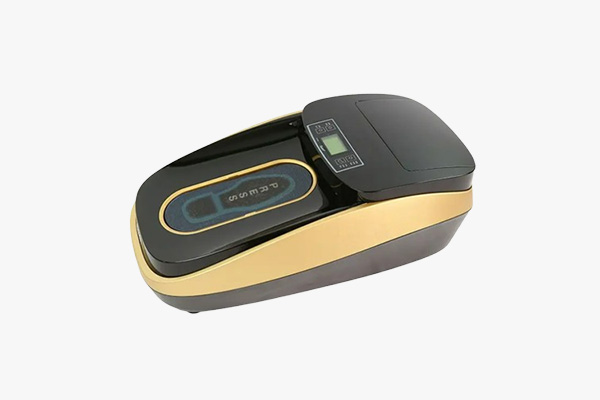
Maintaining clean indoor environments has long been a major challenge for facilities that welcome large volumes of visitors each day. Whether in hospitals, laboratories, museums, or data centers, even minimal dirt brought in on footwear can compromise hygiene standards, safety conditions, and operational performance. In the past, disposable shoe covers were typically provided manually or placed at entrances for self-service. However, this method often led to inconvenience, inconsistent usage, and excessive material waste.
In recent years, intelligent shoe cover machines have emerged as a modern solution, reshaping how controlled environments manage cleanliness. By automating the shoe-covering process, these devices deliver a faster, more hygienic, and more reliable experience. Their increasing adoption across various sectors reflects a broader movement toward automation and smarter facility management systems.
The Ongoing Challenge of Floor Cleanliness
One of the primary sources of indoor contamination is foot traffic. Shoes easily carry dust, moisture, bacteria, and outdoor debris into controlled or high-standard environments. Over time, this can create serious hygiene and maintenance issues.
In healthcare settings such as hospitals and clinics, maintaining strict sanitation is essential to prevent cross-contamination and infection risks. Laboratories and cleanrooms demand even higher levels of environmental control to ensure precision in testing and manufacturing. Cultural institutions like museums must also protect sensitive flooring and exhibits from dirt and wear. Even residential properties with premium interior designs are increasingly concerned about preserving floor cleanliness.
Traditional methods such as manual shoe cover dispensers or loose disposable covers can help reduce contamination, but they are far from perfect:
-
Users may find it awkward to apply covers without assistance or contact with the floor
-
Staff must frequently refill or manage supplies
-
Improper application can cause covers to slip or detach
-
Misuse often leads to unnecessary material waste
These drawbacks have driven the demand for more efficient, automated alternatives.
Understanding Intelligent Shoe Cover Machines
An intelligent shoe cover machine is an automated system designed to quickly apply a protective covering over the sole of a shoe. Instead of manually wearing a cover, users simply step into the device, which completes the process within seconds.
A representative example is the XT46 series heat-shrink shoe cover machine developed by Zhejiang Quen Technology Co., Ltd. This system utilizes heat-shrink technology to wrap a thin protective film tightly around the shoe sole, ensuring full and secure coverage.
Unlike traditional disposable covers, heat-shrink film adapts to different shoe shapes and sizes, providing a snug fit that reduces slipping risks and enhances user comfort.
For more technical details, you can refer to:
<a href="https://www.quenshoecovers.com/intelligent-shoe-cover-dispenser-machine">intelligent shoe cover dispenser machine</a>
Strengthening Hygiene in Healthcare Facilities
Healthcare environments were among the first to adopt automated shoe covering systems due to their strict sanitation requirements. In hospitals and clinics, staff and visitors frequently move between different departments, increasing the risk of contamination spread.
Intelligent shoe cover machines help address this issue by ensuring consistent and reliable application of protective coverings at every entry point. The automated process is simple: users step onto the device, and within seconds their shoes are covered.
This not only improves hygiene control but also enhances operational efficiency. Medical staff no longer need to manage or distribute shoe covers manually, allowing them to focus more on patient care and essential duties.
Applications in Cleanrooms and Industrial Settings
In industries such as electronics manufacturing, pharmaceuticals, and semiconductor production, cleanrooms require extremely strict environmental control. Even microscopic particles can disrupt production or damage sensitive components.
Intelligent shoe cover machines are increasingly used at cleanroom entrances for several key reasons:
-
They provide consistent and standardized coverage for every user
-
Heat-shrink technology ensures firm adhesion to shoe surfaces
-
They reduce the risk of loose debris entering controlled environments
Industrial facilities also benefit from these systems, especially in operations where employees transition between different production zones. Automated shoe covering helps minimize cross-contamination between areas.
Enhancing Visitor Experience in Public Spaces
Beyond industrial and medical applications, intelligent shoe cover machines are also improving visitor experience in public venues.
Museums, galleries, and exhibition centers often face the challenge of protecting delicate flooring from heavy foot traffic. Traditional shoe covers can be inconvenient, especially for elderly visitors or those carrying belongings.
Automated systems simplify the process significantly. Visitors simply step into the machine and continue walking without delay. This ensures both convenience and floor protection.
Real estate showrooms and luxury property displays are also adopting this technology. High-end interiors featuring materials like marble or hardwood require protection from dirt and moisture during tours. Intelligent shoe cover machines allow guests to explore freely without damaging surfaces.
Operational Efficiency and Cost Benefits
Facility managers are increasingly focused on balancing cleanliness with operational efficiency. Intelligent shoe cover machines support this goal in several ways.
First, automation reduces the need for manual labor associated with distributing shoe covers. Second, precise application helps reduce unnecessary consumption of materials, lowering overall waste.
Additionally, these systems improve entrance organization. Unlike loose disposable covers that can clutter entryways, automated machines keep the process clean, structured, and visually professional.
In high-traffic environments, these advantages translate into smoother daily operations and better resource management.
Technological Development and Industry Growth
The expansion of intelligent hygiene systems reflects the broader rise of automation and smart facility technologies. Companies such as Zhejiang Quen Technology Co., Ltd. have played a key role in advancing this field through continuous product development.
Since launching its XT46 series heat-shrink shoe cover machine in 2006, the technology has been widely adopted across multiple regions. Ongoing improvements have enhanced durability, performance stability, and user experience, making the equipment suitable for diverse environments.
Modern devices are built for heavy usage while maintaining ease of operation, requiring minimal training for users. This combination of reliability and simplicity is essential for public-facing equipment.
Expanding Use in Residential Environments
Although originally developed for industrial and institutional use, intelligent shoe cover machines are gradually entering residential spaces.
In homes where cleanliness is a priority—especially in regions where indoor shoe-wearing is discouraged—these machines offer a practical alternative to manual shoe removal or disposable covers.
Installed near entryways, compact models allow guests to quickly apply shoe protection without inconvenience, helping maintain clean and well-preserved interiors.
As smart home adoption continues to grow, such devices are likely to become more common in modern residential design.
Future Outlook
As expectations for hygiene, convenience, and automation continue to rise, intelligent shoe cover machines represent a simple yet impactful innovation in facility management.
By streamlining the process of maintaining indoor cleanliness, these systems enhance both operational efficiency and user experience. Their applications now span healthcare, industry, culture, retail, and even residential environments.
Looking ahead, intelligent hygiene solutions are expected to play an increasingly important role in the development of smarter, cleaner, and more efficient built environments worldwide.
www.quenshoecovers.com
Zhejiang Quen Technology Co., Ltd.
About Author
