
How to Choose a Reliable Electronic Hotel Locks Supplier?
6 min read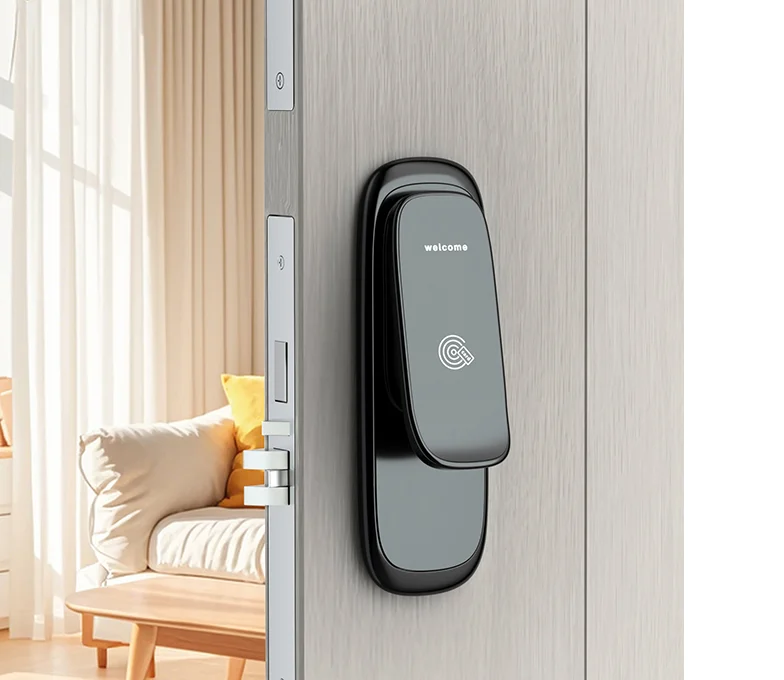
In today’s hospitality industry, security, convenience, and intelligent management have become essential standards for modern hotels. From luxury resorts to boutique hotels and serviced apartments, more property owners are replacing traditional mechanical locks with advanced Electronic Hotel Locks to improve guest experience and operational efficiency.
However, selecting the right supplier is often more challenging than choosing the lock itself. The quality of the supplier directly affects product performance, project timelines, after-sales service, software compatibility, and even the reputation of the hotel brand.
With hundreds of manufacturers and trading companies in the global market, how can buyers identify a truly reliable supplier? In this guide, we will explore the key factors hotel owners, distributors, project contractors, and importers should consider when choosing a dependable Electronic Hotel Locks supplier.
Why Supplier Selection Matters
Many buyers focus only on price when sourcing hotel locks. While cost is important, choosing an unreliable supplier can create serious long-term problems, including:
-
Lock failures during hotel operation
-
Poor software compatibility
-
Delayed project delivery
-
Difficult installation
-
Lack of technical support
-
Weak cybersecurity protection
-
High maintenance costs
-
Poor guest experience
A reliable supplier does much more than provide products. They also offer:
-
Technical expertise
-
System integration support
-
OEM/ODM capabilities
-
Product customization
-
Stable production quality
-
Long-term service support
In large hotel projects, the supplier often becomes a long-term technology partner rather than just a product vendor.
Understand Your Hotel Lock Requirements First
Before contacting suppliers, buyers should clearly define their project requirements. Different hotel types require different locking solutions.
Important questions include:
-
What type of hotel is the project for?
-
How many rooms need locks?
-
Is mobile access required?
-
Does the hotel need cloud management?
-
Is integration with PMS systems necessary?
-
What card technology will be used?
-
What is the budget range?
-
Are customization services required?
Some common types of Electronic Hotel Locks include:
-
RFID hotel locks
-
Bluetooth hotel locks
-
WiFi smart locks
-
Mobile app-enabled locks
-
Fingerprint hotel locks
-
NFC hotel locks
Understanding these needs helps narrow down suitable suppliers more efficiently.
Evaluate the Supplier’s Industry Experience
Experience is one of the most important indicators of supplier reliability.
A manufacturer with many years of experience in the hospitality security industry usually understands:
-
International hotel standards
-
Access control technologies
-
Hotel management systems
-
Installation challenges
-
Market regulations
-
Guest usage behavior
Experienced suppliers are also more likely to provide stable products and professional technical support.
When evaluating experience, buyers should check:
-
Company establishment year
-
Export history
-
Main target markets
-
Existing hotel projects
-
Industry certifications
-
Production capacity
A supplier with successful international hotel projects generally has stronger credibility.
Check Product Quality Carefully
The quality of Electronic Hotel Locks directly impacts hotel security and guest satisfaction.
Reliable suppliers should provide detailed information about:
-
Lock materials
-
Internal electronic components
-
Lock body durability
-
Waterproof performance
-
Battery lifespan
-
Emergency unlocking systems
-
Encryption technology
High-quality hotel locks commonly use materials such as:
-
Stainless steel
-
Zinc alloy
-
Aluminum alloy
These materials offer better corrosion resistance and durability for high-frequency hotel use.
Buyers should also ask about:
-
Cycle testing results
-
Salt spray testing
-
Fire resistance standards
-
Anti-static performance
-
Power consumption
A professional supplier should willingly provide technical specifications and testing reports.
Verify Certifications and Compliance
International certifications are important indicators of product reliability and compliance.
Depending on the target market, suppliers may need certifications such as:
-
CE certification
-
FCC certification
-
RoHS compliance
-
ANSI standards
-
ISO 9001 quality management
-
Fire safety certifications
Certified Electronic Hotel Locks generally offer higher reliability and easier market entry.
Hotels and contractors should avoid suppliers that cannot provide proper certification documentation.
Assess Software and System Compatibility
Modern hotel locks are no longer standalone products. They are part of a larger hotel management ecosystem.
Reliable suppliers should offer software systems compatible with:
-
Property Management Systems (PMS)
-
Elevator control systems
-
Energy-saving switches
-
Access control systems
-
Mobile applications
Good software integration can improve:
-
Guest check-in efficiency
-
Room management
-
Security monitoring
-
Energy management
-
Staff authorization control
Buyers should ask suppliers whether their locks support:
-
Opera PMS
-
Cloud-based systems
-
Mobile key technology
-
Remote management
-
Multi-property management
Poor software compatibility can create major operational problems after installation.
Review OEM and ODM Capabilities
For distributors, hotel brands, and wholesalers, customization capabilities are extremely important.
Reliable suppliers often provide OEM and ODM services such as:
-
Logo customization
-
Software branding
-
Packaging design
-
Handle style customization
-
Firmware development
-
Mobile app customization
Strong OEM/ODM capabilities indicate:
-
Advanced manufacturing strength
-
Engineering expertise
-
Flexible production systems
This is especially valuable for businesses building private-label hotel lock brands.
Examine Production Capacity and Lead Time
Hotel projects usually operate on strict construction schedules. Delayed lock delivery can delay entire hotel openings.
Buyers should evaluate the supplier’s:
-
Factory size
-
Production lines
-
Monthly production capacity
-
Inventory management
-
Delivery efficiency
Questions to ask include:
-
What is the standard lead time?
-
Can urgent orders be supported?
-
What happens during peak seasons?
-
Is there stable raw material sourcing?
Reliable Electronic Hotel Locks suppliers usually have better production planning and supply chain management.
Request Samples Before Bulk Orders
Never place large hotel lock orders without testing samples first.
Sample evaluation helps buyers verify:
-
Product appearance
-
Build quality
-
Lock performance
-
Software operation
-
User interface
-
Installation convenience
During testing, pay attention to:
-
Card recognition speed
-
Handle smoothness
-
Battery consumption
-
Lock response time
-
Noise level
-
Emergency functions
A professional supplier should provide sample support and technical guidance during evaluation.
Evaluate Technical Support and After-Sales Service
After-sales support is critical in hotel lock projects.
Even high-quality locks may require:
-
Software updates
-
Installation guidance
-
Troubleshooting
-
Spare parts replacement
-
System upgrades
Reliable suppliers should provide:
-
Technical manuals
-
Installation videos
-
Remote support
-
Training services
-
Warranty policies
-
Spare parts availability
Poor after-sales support can lead to long-term operational problems for hotels.
When evaluating suppliers, buyers should ask:
-
What is the warranty period?
-
Is online support available?
-
Are spare parts stocked?
-
Is multilingual support available?
-
How quickly are technical issues resolved?
Consider Cybersecurity and Data Protection
As hotel locks become smarter and more connected, cybersecurity becomes increasingly important.
Modern Electronic Hotel Locks may store sensitive information such as:
-
Guest access records
-
Room authorization data
-
Mobile credentials
-
Management passwords
Reliable suppliers should implement:
-
Data encryption
-
Secure communication protocols
-
User authorization management
-
Firmware security updates
Cybersecurity is especially important for cloud-based and mobile-access hotel lock systems.
Analyze Pricing Rationally
Price should never be the only deciding factor.
Extremely low-priced hotel locks may involve:
-
Inferior electronic components
-
Weak lock structures
-
Unstable software
-
Poor technical support
-
Short product lifespan
Instead of simply choosing the cheapest supplier, buyers should evaluate total value, including:
-
Product quality
-
System stability
-
Warranty
-
Technical service
-
Delivery reliability
-
Long-term maintenance costs
Reliable suppliers help hotels reduce future operational risks and maintenance expenses.
Read Customer Reviews and Case Studies
One of the best ways to evaluate a supplier is by reviewing previous customer projects.
Look for:
-
International hotel references
-
Case studies
-
Client testimonials
-
Exhibition participation
-
Industry partnerships
Suppliers with experience serving hotels, resorts, apartments, and commercial buildings often demonstrate stronger project capabilities.
Buyers can also request:
-
Project photos
-
Installation videos
-
Reference contacts
-
Demo software access
Visit the Factory If Possible
For large projects or long-term partnerships, factory visits are highly recommended.
Factory audits help buyers verify:
-
Production environment
-
Quality control processes
-
Engineering capabilities
-
Warehouse management
-
Staff professionalism
Reliable suppliers usually welcome factory inspections because they have confidence in their operations.
If onsite visits are difficult, buyers can request:
-
Virtual factory tours
-
Live video inspections
-
Third-party audit reports
Choose Suppliers with Innovation Capability
The hotel security industry is evolving rapidly.
Future trends include:
-
Mobile room keys
-
AI-powered access management
-
Facial recognition
-
Cloud-based lock systems
-
IoT hotel integration
Reliable suppliers continuously invest in:
-
Product development
-
Software innovation
-
Security technology
-
Smart hospitality solutions
Working with innovative suppliers helps hotels stay competitive in the long term.
Red Flags to Avoid
Buyers should be cautious if suppliers:
-
Refuse to provide certifications
-
Cannot share project references
-
Offer unusually low prices
-
Lack technical documentation
-
Have poor communication
-
Avoid sample testing
-
Provide vague warranty policies
-
Cannot explain software functions clearly
These warning signs may indicate unreliable products or weak support capabilities.
Conclusion
Choosing a reliable Electronic Hotel Locks supplier is a critical decision for any hotel project. The right supplier not only provides secure and durable products but also becomes a long-term partner supporting hotel operations, guest satisfaction, and future expansion.
Instead of focusing solely on price, buyers should evaluate suppliers comprehensively based on:
- About Author
