
How to Properly Charge and Maintain LiFePO4 Cylindrical Cells
4 min read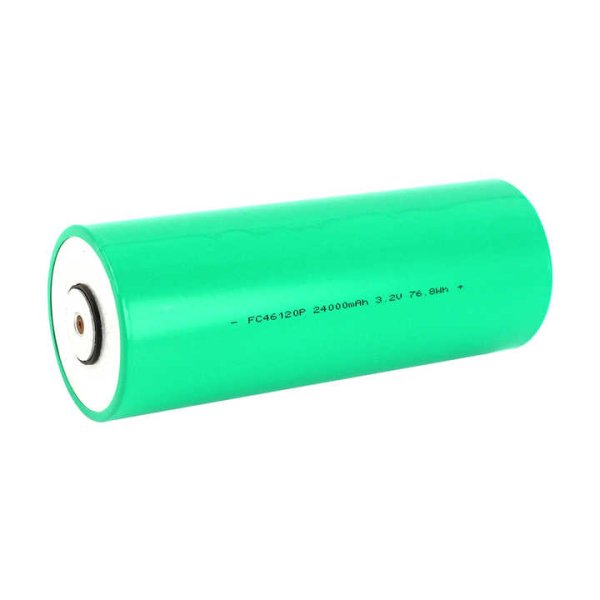
LiFePO4 cylindrical cells, a type of lithium iron phosphate battery, have gained immense popularity in recent years due to their high safety, long lifespan, and stable performance. They are widely used in electric vehicles (EVs), renewable energy storage systems, power tools, and portable electronics. However, like all batteries, their performance and lifespan are heavily influenced by how they are charged, stored, and maintained. Improper handling can lead to reduced capacity, premature aging, or even safety hazards. This article provides a comprehensive guide on how to properly charge and maintain LiFePO4 cylindrical cells to maximize efficiency and lifespan.
Understanding LiFePO4 Cylindrical Cells
Before diving into charging and maintenance techniques, it’s essential to understand the characteristics of LiFePO4 cylindrical cells:
-
Stable Chemistry: LiFePO4 cells have an inherently stable cathode material, reducing the risk of thermal runaway compared to other lithium-ion chemistries.
-
Long Cycle Life: They can typically endure 2000–5000 charge-discharge cycles with minimal capacity loss.
-
High Safety Profile: LiFePO4 cells are resistant to overcharging and overheating, making them suitable for demanding applications.
-
Moderate Energy Density: While safer, they generally have lower energy density compared to NCM or NCA lithium cells.
Understanding these characteristics helps in implementing the correct charging and maintenance practices.
Proper Charging Techniques
Charging is the most critical aspect of maintaining LiFePO4 cylindrical cells. Improper charging can shorten battery life or cause safety risks.
1. Use a Compatible Charger
Always use chargers specifically designed for LiFePO4 batteries. These chargers control voltage, current, and cut-off thresholds accurately. Using a charger meant for other lithium-ion chemistries may overcharge or undervolt the cells, leading to damage.
2. Constant Current–Constant Voltage (CC-CV) Charging
LiFePO4 cells should be charged using a CC-CV method, which involves two stages:
-
Constant Current (CC): The battery is charged at a fixed current until it reaches the maximum voltage (usually 3.6–3.65V per cell). Charging at too high a current can generate heat, stressing the cell.
-
Constant Voltage (CV): Once the cell reaches maximum voltage, the charger switches to constant voltage mode. The current gradually decreases until the battery is fully charged.
This method ensures that the cells are charged efficiently without overvoltage.
3. Avoid Overcharging
Although LiFePO4 cells are more tolerant than other lithium-ion chemistries, overcharging above 3.65V per cell can cause crystal structure damage, reducing capacity. Modern chargers with automatic cut-off are highly recommended.
4. Avoid Deep Discharge
Similarly, fully discharging a LiFePO4 cell below 2.5V can cause irreversible damage. Keeping the voltage above 2.8–3.0V during regular use is ideal for extending lifespan.
5. Temperature Considerations
-
Optimal Charging Temperature: 0–45°C (32–113°F)
-
Charging in Cold Conditions: Charging below 0°C can cause lithium plating inside the cell, leading to short circuits or permanent capacity loss. Use a battery management system (BMS) with cold-temperature charging protection.
Maintaining LiFePO4 Cylindrical Cells
Proper maintenance extends battery life and ensures stable performance. Key maintenance practices include:
1. Regular Storage Practices
-
Partial Charge Storage: LiFePO4 batteries should ideally be stored at 40–60% state of charge (SOC) rather than fully charged or fully discharged.
-
Temperature Control: Store in a cool, dry environment (15–25°C). Avoid direct sunlight or humid areas.
-
Avoid Long-Term Discharge: Even when not in use, periodically check the voltage and recharge to maintain SOC between 40–60%.
2. Balancing Cells
LiFePO4 cylindrical cells in battery packs may develop slight voltage differences over time. A BMS with cell balancing helps equalize voltage, preventing weaker cells from over-discharging or overcharging. Proper balancing reduces stress and improves pack longevity.
3. Avoid Physical Stress
-
Do Not Short-Circuit: Short circuits can lead to overheating or permanent cell damage.
-
Avoid Mechanical Shock: Dropping or puncturing cells can compromise safety and performance.
4. Clean Terminals
Dust or oxidation on terminals increases resistance and reduces efficiency. Regularly clean battery contacts using a dry cloth or isopropyl alcohol.
5. Monitor Cycle Usage
Even LiFePO4 cells have a limited number of cycles. Keeping track of cycles and maintaining moderate charge/discharge rates helps prevent early degradation. Avoid fast charging at maximum rated current repeatedly unless necessary.
Using LiFePO4 Cylindrical Cells in Applications
Proper charging and maintenance also depend on the application:
1. Electric Vehicles
-
BMS Integration: Ensure that the EV’s BMS supports LiFePO4 chemistry and provides overvoltage, undervoltage, and temperature protection.
-
Regenerative Braking Considerations: Monitor voltage spikes from regenerative braking to avoid exceeding safe voltage limits.
2. Renewable Energy Storage
-
Solar PV Systems: Charge LiFePO4 batteries using MPPT charge controllers set to LiFePO4 voltage profiles.
-
Seasonal Storage: Store partially charged during long idle periods, especially in colder climates.
3. Portable Electronics
-
For devices like power banks or electric tools, use chargers with LiFePO4 profiles and avoid leaving batteries connected after full charge.
Troubleshooting Common Issues
Even with proper care, issues can occur:
-
Capacity Drop: Usually caused by frequent deep discharges or high-temperature operation. Reduce depth of discharge and maintain moderate charge currents.
-
Voltage Imbalance: Occurs in multi-cell packs. Use a BMS with balancing function.
-
Overheating: Can result from high charge currents or environmental heat. Charge at moderate currents and ensure ventilation.
-
Swelling or Leakage: Rare in LiFePO4 but may indicate severe abuse or defect. Replace the cell immediately.
Best Practices Summary
-
Always use LiFePO4-compatible chargers and BMS.
-
Charge using the CC-CV method and avoid overcharging or deep discharge.
-
Store at partial SOC in cool, dry conditions.
-
Use a BMS for balancing multi-cell packs.
-
Avoid mechanical stress, short circuits, and high-temperature exposure.
-
Monitor cycles and maintain moderate charge/discharge rates.
By following these guidelines, LiFePO4 cylindrical cells can deliver safe, reliable, and long-lasting performance, making them ideal for a wide range of applications from EVs to renewable energy storage. Proper charging and maintenance not only extend lifespan but also ensure that you get the maximum energy efficiency and safety from these advanced lithium batteries.
www.highstar-lithium.com
highstar-lithium
About Author
