
Repair technology for vulcanized rubber belt joints of belt vulcanizing machines
9 min read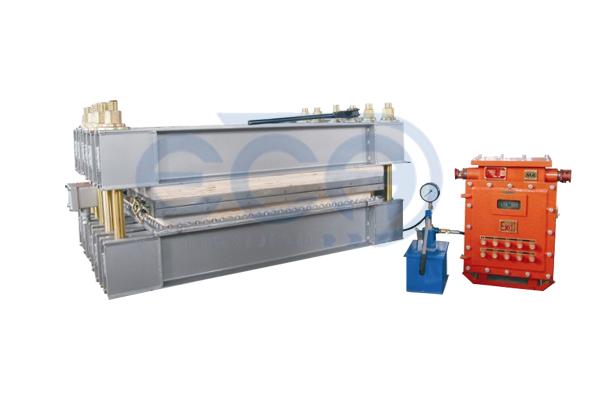
Wuxi Yikai Mining & Metallurgical Equipment Manufacturing Co., Ltd. specializes in the manufacturing of belt vulcanizing machines. In this article, we will explain the main procedures, technical requirements, and quality control measures involved in repairing vulcanized rubber conveyor belt joints.
Repair Technology for Vulcanized Rubber Belt Joints of Belt Vulcanizing Machines
Conveyor belts are essential components in modern industrial material handling systems. They are widely used in mining, metallurgy, manufacturing, and other industries where continuous material transportation is required. The quality of a conveyor belt joint directly influences equipment reliability, operating efficiency, and the overall service life of the belt.
Among the available joining methods, hot vulcanization is widely used because it can create a strong, durable connection when the correct materials and operating conditions are applied. Depending on the belt construction and vulcanization process, a properly prepared joint may achieve approximately 85%–95% of the original belt strength. Its smooth surface also helps reduce vibration, noise, and material spillage during operation.
Understanding the correct repair procedure is therefore important for maintaining conveyor performance and minimizing unexpected downtime.
I. Working Principle and Main Advantages of Vulcanized Joints
Vulcanized conveyor belt joints are produced by applying controlled heat and pressure to prepared belt surfaces with a belt vulcanizing machine. Under suitable conditions, the rubber compounds undergo vulcanization and form a durable bond across the joint. For reinforced conveyor belts, the preparation and connection of the internal reinforcement layers are also critical to the final joint strength.
This method offers several practical advantages.
1. Strong and Reliable Bonding
Proper vulcanization creates a firm connection between compatible rubber materials and the prepared belt structure. When the joint is designed and processed correctly, its strength can approach that of the original conveyor belt.
2. Smooth Running Surface
The repaired section can maintain a profile close to the original belt thickness. A smooth transition helps reduce impact during operation, minimizes material loss, and supports stable conveyor movement.
3. Good Wear Resistance
When suitable repair materials are selected and the vulcanization process is properly controlled, the finished joint can withstand repeated bending, friction, and the mechanical demands of continuous conveying.
4. Effective Protection Against Contamination
A well-formed vulcanized joint helps prevent moisture, dust, and corrosive substances from entering the belt reinforcement layers, reducing the risk of internal damage and premature deterioration.
II. Main Procedures for Repairing Vulcanized Conveyor Belt Joints
A successful repair depends on proper preparation, accurate joint fabrication, controlled vulcanization, and careful inspection. The following steps outline a typical repair procedure.
1. Preliminary Preparation
Before starting work, disconnect the conveyor power supply, apply the required lockout and tagout procedures, and confirm that the equipment cannot start unexpectedly. Establish a safe working area and display appropriate warning signs.
Prepare the necessary tools and materials, including:
-
A belt vulcanizing machine and compatible heating plates
-
Suitable conveyor belt repair rubber and bonding materials
-
An angle grinder or other approved grinding equipment
-
A specialized cleaning agent
-
Measuring tools, knives, and other preparation tools
-
Appropriate personal protective equipment
Check the surrounding environment before beginning the repair. The work area should be clean, dry, and adequately ventilated. Temperature and humidity must remain within the limits specified for the selected adhesive and repair materials. Some products require a working temperature above 15°C, but the manufacturer's instructions should take priority.
2. Inspect and Prepare the Damaged Area
Assess the damage. Examine the belt carefully to determine the location, dimensions, depth, and type of damage. Common problems include longitudinal tears, transverse breaks, surface wear, and localized rubber separation.
Clean the surface. Remove dirt, oil, moisture, loose rubber, and other contaminants from the affected area. Proper cleaning helps prevent bonding defects and improves the reliability of the repair.
Grind the damaged section. Use suitable grinding equipment to remove deteriorated rubber and prepare a clean, roughened surface. Where the repair design requires a beveled edge, a bevel of approximately 30°–45° may be used to increase the bonding area. The actual geometry should be determined according to the belt construction and repair specification.
3. Prepare the Joint and Apply Adhesive
For multi-ply conveyor belts, the damaged section may need to be separated into layers so that the repair follows the original belt structure. Remove damaged material carefully while preserving sound reinforcement wherever possible.
Measure the prepared area accurately and cut the repair materials to the required dimensions. Ensure that the patch or replacement section covers the entire damaged area and follows the specified overlap and joint geometry.
Apply the compatible bonding agent evenly to the prepared surfaces. Depending on the product instructions, multiple thin coats may be necessary. Allow each coat to dry for the recommended period before applying the next layer or assembling the joint. The adhesive should reach the specified condition before the repair materials are brought together.
4. Perform Vulcanization
After the joint has been prepared, position the repair rubber or replacement material according to the repair design.
Install the belt vulcanizing machine so that its upper and lower heating plates cover the repair area correctly. Check alignment, clamping arrangements, and pressure distribution before starting the heating cycle.
Set the vulcanization parameters according to the belt manufacturer's recommendations and the specifications of the repair materials. Typical hot-vulcanization settings may include:
-
Temperature: approximately 145–150°C
-
Pressure: approximately 1.0–2.0 MPa
-
Curing time: determined by belt thickness, material type, and the specified vulcanization procedure
These figures are general reference values rather than universal settings. Different rubber compounds, belt structures, and repair systems may require different parameters.
Start the vulcanizing machine and monitor the temperature and pressure throughout the process. Maintain the specified conditions for the required curing period. Any unexpected fluctuations should be addressed according to the equipment operating instructions.
5. Cool the Joint and Complete Post-Repair Treatment
Once vulcanization is complete, allow the repaired section to cool according to the prescribed procedure. Where required by the repair specification, maintain pressure until the joint temperature falls below approximately 60°C.
Remove the vulcanizing equipment carefully to avoid damaging the newly bonded area. Trim excess rubber and finish the edges so that the repaired section transitions smoothly into the original belt.
Finally, inspect the repaired joint for visible defects, uneven thickness, edge lifting, and other irregularities. If a defect is identified, determine whether additional repair is possible before returning the conveyor to service.
III. Key Technical Factors Affecting Repair Quality
1. Correct Stepped Joint Design
For multi-ply conveyor belts, stepped joints are commonly used to distribute tensile loads across the joint rather than concentrating stress at a single point.
Each step must be prepared according to the belt's reinforcement structure and the approved joint design. A step length of at least 150 mm may be specified for certain belt constructions, while adjacent steps may be staggered to distribute the connection across the belt width. These dimensions should not be treated as universal requirements; the belt specification and applicable jointing procedure determine the correct geometry.
Accurate cutting and consistent step dimensions help improve load distribution and reduce the risk of premature joint failure.
2. Accurate Temperature Control
Temperature is one of the most important variables in the vulcanization process.
If the temperature is too low, the rubber may not cure adequately, resulting in weak bonding. Excessive temperature can degrade the rubber, affect its physical properties, and shorten the service life of the joint.
A reliable belt vulcanizing machine should provide stable heating across the entire working surface. Equipment with an appropriate temperature control system helps reduce temperature variation and supports consistent repair quality. For demanding applications, the temperature uniformity requirement should be confirmed against the machine specification and the applicable process standard.
3. Uniform Pressure Distribution
Pressure must be distributed evenly over the repair area to ensure close contact between the prepared surfaces and repair materials.
Insufficient pressure may cause poor adhesion, voids, or air pockets. Uneven pressure can produce inconsistent thickness and localized weak points.
Before vulcanization, check the machine's pressure system, heating plate alignment, and supporting structure. Use the specified pressure setting and follow the manufacturer's instructions for any pressure adjustments during the curing cycle.
4. Proper Adhesive Application
Adhesive preparation and application have a direct effect on the quality of the finished joint.
Apply the bonding agent in thin, even layers and observe the recommended drying time. Excessive adhesive can create an uneven bonding layer or interfere with proper assembly, while insufficient coverage can leave areas inadequately bonded.
Always verify material compatibility, shelf life, storage conditions, and application requirements before use.
IV. Common Joint Repair Problems and Their Solutions
1. Bubbles or Voids in the Repaired Area
Possible causes:
-
Moisture or contaminants remain on the prepared surfaces.
-
Air becomes trapped during assembly.
-
The adhesive has not dried sufficiently.
-
The specified pressure or temperature conditions are not achieved.
Recommended solutions:
Inspect the surface preparation process and confirm that all materials are clean and dry. Improve the material-laying technique to reduce trapped air, and verify the curing parameters against the approved procedure. Increasing pressure alone may not solve the problem if moisture or incorrect adhesive application is responsible.
2. Insufficient Joint Strength
Possible causes:
-
Vulcanization temperature or curing time is inadequate.
-
The adhesive or repair rubber is unsuitable or has exceeded its shelf life.
-
Grinding and cleaning are incomplete.
-
The joint geometry does not match the belt construction.
Recommended solutions:
Review the complete repair procedure, confirm that the materials are compatible and within their usable period, and inspect the prepared surfaces. Check temperature and pressure records where available. Correct the underlying cause before performing another repair.
3. Uneven Joint Thickness
Possible causes:
-
Pressure is not distributed uniformly.
-
Repair materials have inconsistent thickness.
-
The joint is incorrectly assembled.
-
The heating plates or supporting components are misaligned.
Recommended solutions:
Check the vulcanizing machine's alignment and pressure distribution. Use repair materials with suitable and consistent dimensions, and verify the joint assembly before vulcanization begins.
V. Quality Inspection Requirements
A repaired conveyor belt joint should be inspected before the conveyor returns to normal operation. The inspection should cover appearance, dimensions, bonding quality, and operating performance.
1. Visual Inspection
The repaired surface should be smooth and properly finished, without obvious bubbles, exposed reinforcement, missing bonding material, or lifted edges.
2. Thickness Measurement
Measure the repaired section and compare it with the original belt thickness. A thickness difference within approximately 10% may be used as a reference for certain repair specifications, but the acceptable tolerance depends on the belt design and applicable quality requirements.
3. Strength Verification
Where required, perform an appropriate tensile or joint-strength test on representative samples. A joint strength of at least 85% of the original belt strength may serve as a target for some applications, subject to the relevant belt specification and testing method.
4. Operational Testing
Before restarting the conveyor, confirm that all tools and temporary equipment have been removed and that guards and safety devices are restored. Conduct a controlled test run and check belt tracking, joint smoothness, abnormal noise, and other signs of mechanical interference. Increase the operating load only when the inspection results and site procedures permit it.
VI. Safety Precautions During Vulcanization Repair
Safety management is essential because belt joint repair involves electrical equipment, heated surfaces, cutting tools, and potentially heavy components.
-
Only trained personnel familiar with the vulcanizing machine and the approved repair procedure should perform the work.
-
Isolate the conveyor and apply the required lockout and tagout procedures before beginning repairs.
-
Avoid direct contact with heated plates and other hot components. Use appropriate protective equipment when handling them.
-
Wear safety glasses, suitable gloves, and other required protective equipment when grinding or cutting rubber.
-
Ensure that the vulcanizing machine's electrical system, cables, grounding, and protective devices are in good condition.
-
Keep the work area clean and remove unnecessary materials that could cause slips, trips, or other accidents.
-
Follow the equipment manufacturer's operating instructions and the site's safety requirements throughout the repair.
VII. Maintenance of Belt Vulcanizing Machines
Regular maintenance helps preserve the performance and reliability of belt vulcanizing equipment.
Clean the heating plates after use. Remove residual rubber and other contaminants using an approved cleaning method. Avoid tools or chemicals that could damage the plate surfaces.
Inspect the pressure system. Check pressure-generating components, hoses, connections, and related equipment for leakage, wear, or other abnormalities.
Check the temperature control system. Inspect temperature sensors, controllers, electrical connections, and heating elements to ensure that the equipment operates within the required parameters.
Protect the equipment during storage. If the machine will remain unused for an extended period, clean it thoroughly, apply suitable rust protection to exposed metal surfaces, and store it in a dry environment.
Maintain equipment records. Record operating hours, inspections, repairs, and maintenance activities. These records can help identify recurring faults and support preventive maintenance planning.
Conclusion
Repairing vulcanized conveyor belt joints requires careful preparation, suitable materials, accurate equipment settings, and systematic quality inspection. Each stage, from damage assessment and surface grinding to vulcanization and final testing, contributes to the strength and durability of the finished joint.
For Wuxi Yikai Mining & Metallurgical Equipment Manufacturing Co., Ltd., belt vulcanizing machines are an important part of the conveyor belt maintenance process. Selecting suitable equipment and following a standardized repair procedure can help industrial operators reduce avoidable downtime, extend conveyor belt service life, and maintain reliable material handling operations.
As vulcanization equipment and rubber materials continue to develop, improvements in temperature control, pressure distribution, and curing efficiency are creating opportunities for more consistent repairs. By combining appropriate equipment with trained operators and established maintenance procedures, enterprises can improve repair quality and support safer, more efficient production.
www.ykmin.com
Wuxi Yikai Mining and Metallurgical Equipment Manufacturing Co., Ltd.
About Author
