
Sterility Testing Isolators: Grade A Protection for Pharmaceutical Quality
5 min read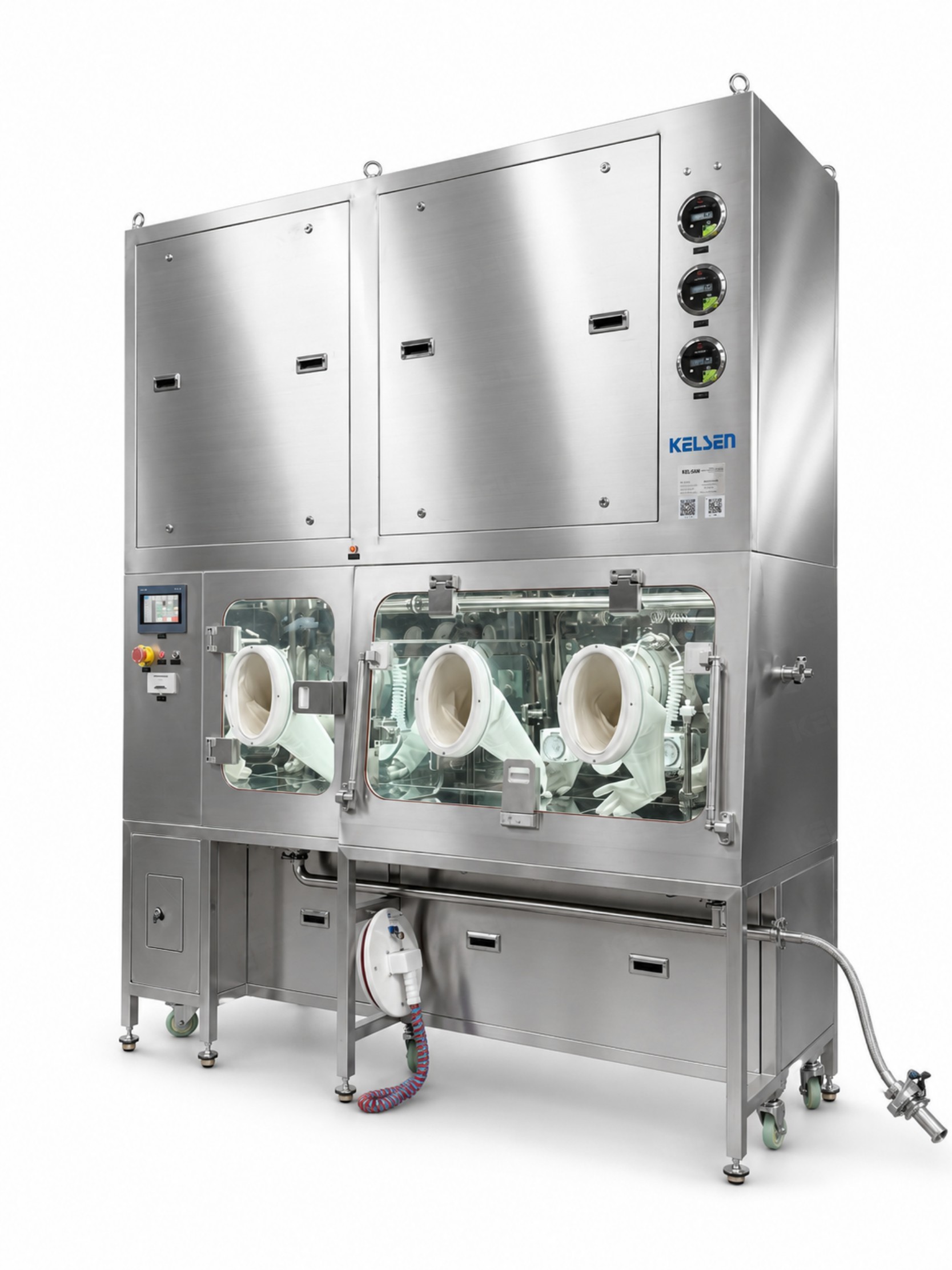
In the high-stakes world of pharmaceutical manufacturing, maintaining sterile conditions isn't just a regulatory checkbox—it's the foundation of patient safety and product integrity. As pharmaceutical companies face mounting pressure to eliminate contamination risks while meeting stringent GMP standards, sterility testing isolators have emerged as a critical technology for ensuring consistent, validated aseptic environments.
Understanding Sterility Testing Isolators
Sterility testing isolators are specialized, fully enclosed systems designed to physically separate operators from pharmaceutical production and testing processes. Unlike traditional cleanrooms that rely on environmental controls and operator discipline, these advanced systems create a physical barrier that prevents external contamination from ever reaching sterile products or test samples.
The core principle is elegant yet powerful: by establishing a completely sealed workspace with integrated environmental controls, sterility testing isolators maintain continuous Grade A cleanliness standards—the highest classification under Good Manufacturing Practice (GMP) regulations. This represents a fundamental shift from managing contamination risks to virtually eliminating them through engineering controls.
The Critical Pain Points Driving Adoption
Traditional cleanroom approaches face inherent limitations that become increasingly problematic as pharmaceutical standards evolve. Continuous Class 100 cleanliness maintenance proves exceptionally difficult in conventional settings, where human movement, material transfers, and environmental fluctuations constantly threaten sterile conditions.
Manual production processes introduce significant external and cross-contamination risks. Even well-trained operators in full cleanroom attire represent potential contamination vectors. During sterile inspections and aseptic manufacturing, the consequences of contamination extend beyond product loss—they can trigger regulatory actions, production shutdowns, and most critically, patient safety concerns.
These challenges have driven pharmaceutical manufacturers and quality control laboratories to seek more robust solutions that deliver consistent, validated sterility regardless of external factors or human variability.
Advanced Engineering for Pharmaceutical Applications
Modern sterility testing isolators like the KuTe Series represent sophisticated integration of multiple technologies working in concert. The foundation begins with stainless steel construction paired with tempered glass doors, ensuring both durability and ease of sterilization—critical factors for pharmaceutical applications requiring repeated cleaning cycles and chemical disinfection.
Inflatable sealing technology applied to all door components guarantees complete airtightness of the operating environment while maintaining internal positive pressure. This sealing approach provides reliable performance across thousands of operational cycles while facilitating maintenance and validation.
The laminar airflow system employs a top-down airflow distribution pattern that ensures uniform air velocity throughout the workspace. This design minimizes turbulence and dead zones where contaminants might accumulate, creating consistent Grade A conditions across the entire operational envelope.
Real-time operational monitoring continuously tracks critical parameters including air velocity and differential pressure. This integrated monitoring ensures that the environment consistently meets GMP Grade A standards throughout operations, with automated alerts if parameters drift outside validated ranges.
Practical operational features include dustproof and waterproof power sockets integrated within the chamber, along with a high-pressure water gun for facilitating cleaning within the sterile zone. These utilities eliminate the need to compromise enclosure integrity for routine operational tasks.
For enhanced quality assurance, optional monitoring accessories include glove leak detectors and online particulate and microbiological sampling systems. These accessories provide real-time verification of barrier integrity and environmental conditions based on specific process requirements.
Contamination Prevention Through Physical Separation
The fundamental value proposition centers on contamination prevention through a fully enclosed environment that minimizes external contamination risks. By physically separating operators from products and test materials, the system effectively prevents product cross-contamination—a critical concern in facilities handling multiple product lines or performing diverse testing operations.
This physical separation approach delivers environmental stability that sustains a Grade A enclosed environment far surpassing traditional cleanroom capabilities. Where conventional cleanrooms may experience cleanliness fluctuations based on personnel activity, door openings, or HVAC performance, isolator technology maintains consistent conditions independent of external factors.
Standard Compliance and Regulatory Confidence
Meeting regulatory expectations requires more than momentary cleanliness—it demands consistent, documented compliance. Sterility testing isolators ensure consistent operation within GMP Grade A cleanliness standards through integrated monitoring that provides continuous verification and documentation.
This compliance capability extends beyond particle counts to encompass the complete environmental picture, supporting validation protocols and regulatory inspections with objective data. For pharmaceutical manufacturers, this translates to regulatory confidence and reduced audit concerns.
The technology aligns with international GMP Grade A cleanliness standards and demonstrates Class 100 cleanliness standard capability, providing a globally recognized foundation for pharmaceutical operations across different regulatory jurisdictions.
Strategic Applications Across Pharmaceutical Operations
In pharmaceutical manufacturing settings, sterility testing isolators support both aseptic manufacturing processes and sterility testing operations. The enclosed environment facilitates aseptic compounding, sterile filling operations, and other manufacturing steps requiring validated sterile conditions.
For quality control laboratories and inspection environments, the technology provides consistent sterile conditions for high-sensitivity pharmaceutical inspections. Sterility testing—a critical release test for many pharmaceutical products—demands absolute confidence in environmental conditions. Isolator technology eliminates the environmental variability that can complicate result interpretation or trigger invalid tests.
Healthcare and life sciences applications extend beyond traditional pharmaceutical manufacturing to include hospital pharmacy compounding, biotechnology production, and research applications where contamination control is paramount.
Implementation and Operational Integration
Sterility testing isolators deploy through on-site installation within pharmaceutical production or laboratory environments, with configurations tailored to specific operational workflows and facility constraints. Integration with existing utility systems and facility management protocols ensures seamless incorporation into established operations.
Integrated cleaning tools, including high-pressure water guns, facilitate routine decontamination protocols without compromising enclosure integrity. Optional diagnostic accessories like glove leak detectors provide ongoing verification of barrier integrity, supporting preventive maintenance strategies.
The positive pressure environment control system maintains consistent internal conditions while preventing external air infiltration, a fundamental requirement for sustained Grade A performance.
The Evolution of Pharmaceutical Sterility Assurance
As pharmaceutical manufacturing continues evolving toward more complex biologics, personalized medicines, and high-value therapeutics, the margin for contamination error continues shrinking. Sterility testing isolators represent a fundamental shift from contamination management to contamination elimination through engineering controls.
For pharmaceutical production facilities and quality control laboratories facing increasing regulatory scrutiny and product complexity, isolator technology delivers the validated sterility assurance that modern pharmaceutical manufacturing demands. By providing physical separation, automated control systems, and continuous monitoring, these systems ensure the integrity of pharmaceutical aseptic production and testing in ways that traditional approaches simply cannot match.
The technology has matured from specialized equipment to an essential component of pharmaceutical quality infrastructure, supporting the industry's fundamental mission of delivering safe, effective therapeutics to patients worldwide.
https://en.ksncn.com/
Suzhou Kelsen Air Filtration System Co., Ltd.
About Author
