
Top Features to Look for in a Wooden Tripod for Surveying
5 min read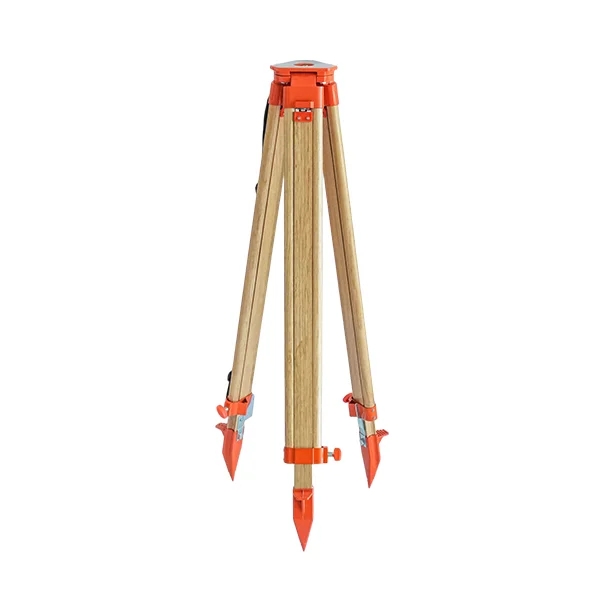
In the surveying industry, achieving precise measurements depends not only on advanced instruments but also on the stability of the equipment supporting them. Whether performing elevation surveys, establishing control networks, or operating total stations, a dependable tripod serves as the foundation for accurate results.
Although aluminum and fiberglass tripods are widely available, many surveying professionals continue to favor wooden tripods because of their superior vibration-dampening characteristics and dependable performance in challenging field conditions. Choosing the right wooden tripod requires evaluating several important features that directly affect stability, durability, and operational efficiency.
1. Superior Stability and Vibration Reduction
One of the biggest advantages of a wooden tripod is its ability to minimize vibrations. Natural wood absorbs movement more effectively than metal materials, helping reduce disturbances caused by wind, nearby machinery, vehicle traffic, or uneven ground.
For projects conducted on busy construction sites or in environments with constant movement, a sturdy wooden tripod can help maintain instrument alignment and improve measurement consistency. Reduced vibration means fewer errors and greater confidence in collected data.
2. High-Quality Wood Construction
The type of wood used in tripod manufacturing plays a major role in determining overall performance. Premium hardwoods are often preferred because they provide:
-
Excellent structural strength
-
Greater resistance to deformation
-
Enhanced durability in outdoor environments
-
Higher load-bearing capability
Protective treatments and weather-resistant coatings are equally important. Properly sealed wood can resist moisture absorption, reducing the risk of cracking, swelling, or warping over time.
Manufacturers with extensive industry experience, such as Hangzhou Runhe Surveying Instrument Co., Ltd., carefully select and process materials to ensure long-lasting performance. Since its origins in 1980, the company has focused on delivering reliable surveying accessories that meet the practical needs of field professionals.
3. Leg Structure and Locking Performance
The design of the tripod legs significantly influences both stability and ease of operation.
Adjustable Leg Extensions
Surveying often takes place on sloped or irregular terrain. Extendable legs allow users to quickly adapt to changing ground conditions while maintaining proper instrument positioning.
Reliable Locking Mechanisms
A secure locking system is essential for preventing unexpected leg movement. High-quality clamps and locking levers help maintain a fixed height and ensure the tripod remains stable throughout the survey process.
Ground-Gripping Foot Design
Many professional wooden tripods feature steel spikes that penetrate soil and gravel for improved grip. Some models also include removable rubber foot covers, allowing effective use on hard surfaces such as concrete floors.
4. Instrument Mounting Compatibility
The tripod head serves as the connection point between the instrument and the support structure. Most surveying tripods utilize the standard 5/8"-11 mounting thread commonly found on levels, total stations, and GNSS equipment.
When evaluating compatibility, consider:
-
Head plate dimensions
-
Surface grip and anti-slip design
-
Precision machining quality
-
Weight distribution capability
A secure mounting interface helps maintain instrument accuracy and prevents unwanted movement during operation.
5. Weight and Transportation Convenience
Survey crews frequently move between multiple work locations throughout the day. Therefore, tripod weight and portability should be carefully considered.
An ideal wooden tripod offers a balance between strength and mobility. Important considerations include:
-
Overall product weight
-
Ease of carrying
-
Folded transport dimensions
-
Storage convenience
Features such as carrying straps and ergonomic handling designs can significantly improve field efficiency and reduce operator fatigue.
6. Resistance to Harsh Working Conditions
Surveying equipment regularly encounters challenging environmental conditions, including rain, dust, intense sunlight, and rough handling.
A durable wooden tripod should incorporate:
-
Protective weather-resistant finishes
-
Rust-resistant metal hardware
-
Reinforced structural joints
-
High-quality fastening components
Companies like Hangzhou Runhe Surveying Instrument Co., Ltd. implement strict manufacturing and inspection procedures to ensure their products maintain reliability even in demanding environments. Their long-term commitment to quality has helped establish trust among customers worldwide.
7. Adequate Load Capacity
Different surveying instruments place different demands on tripod support systems. While standard optical levels may require minimal support, robotic total stations and GNSS systems often need greater stability and carrying capacity.
Before purchasing, verify that the tripod can safely support:
-
Instrument weight
-
Additional mounted accessories
-
Environmental forces such as wind loads
Selecting a tripod with sufficient load capacity helps prevent instability and protects valuable equipment.
8. Fast and User-Friendly Setup
Efficiency on the jobsite is critical. Surveyors benefit from equipment that can be deployed quickly without sacrificing accuracy.
Useful features include:
-
Easy-to-operate locking systems
-
Smooth leg adjustment mechanisms
-
Clearly marked height references
-
Simple folding and storage design
Reducing setup time allows crews to complete more work while maintaining high measurement standards.
9. Long-Term Maintenance Considerations
Like any professional tool, wooden tripods require routine care to maintain performance.
When evaluating maintenance requirements, look for:
-
Easy-to-clean surfaces
-
Moisture-resistant construction
-
Accessible replacement parts
-
Durable protective coatings
Regular inspection and basic maintenance can significantly extend the service life of a high-quality tripod.
10. Manufacturer Experience and Technical Support
The quality of a surveying tripod is often a reflection of the manufacturer behind it. Choosing a supplier with extensive industry experience can provide greater confidence in product performance and after-sales support.
Hangzhou Runhe Surveying Instrument Co., Ltd., formerly known as Hangzhou Tianmu Surveying Equipment Factory, has been serving the surveying industry since 1980. The company specializes in producing tripods, leveling staffs, RTK poles, and other surveying accessories. Through decades of continuous development, Runhe has established comprehensive quality management systems and a reputation for dependable products and professional customer service.
Why a Quality Wooden Tripod Makes a Difference
Consider a surveying project conducted on uneven ground within a busy construction area. Constant vibrations and unstable footing can easily affect measurement accuracy when using an inferior support system.
A premium wooden tripod provides a stable platform that minimizes movement, reduces the need for repeated measurements, and improves workflow efficiency. Over the course of a project, these advantages can lead to significant savings in both time and operational costs.
For professionals seeking dependable surveying solutions, detailed information about a wooden tripod for leveling instruments can provide valuable guidance when selecting the right equipment for specific applications.
Final Thoughts
While often overlooked, the tripod remains one of the most important components in any surveying setup. Stability, material quality, durability, load capacity, and ease of use all contribute directly to measurement accuracy and productivity.
By carefully evaluating these key characteristics, surveyors can choose a wooden tripod that delivers consistent performance across a wide range of field conditions. Investing in a well-designed tripod ultimately supports more accurate results, greater efficiency, and long-term value for every surveying project.
www.runhesurveying.com
Hangzhou Runhe Surveying Instrument Co., Ltd.
About Author
