
Flower Vending Machines: Automated Retail Revolution
5 min read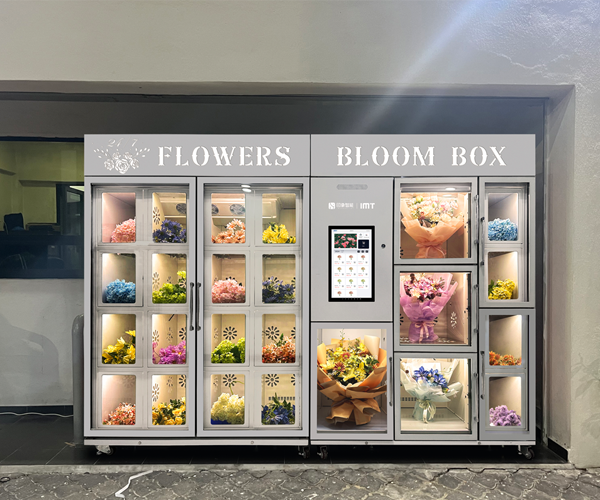
The modern retail landscape is undergoing a profound transformation as consumer expectations evolve toward convenience, accessibility, and instant gratification. Traditional brick-and-mortar florists face significant operational challenges, including limited operating hours, high overhead costs, and geographic constraints that prevent them from capturing spontaneous purchase opportunities. This gap in the market has created fertile ground for innovative automated retail solutions that bridge the divide between consumer demand and service availability.
The Automated Floral Retail Revolution
Automated vending technology has transcended its traditional association with snacks and beverages, emerging as a sophisticated solution for delivering fresh, perishable products in high-traffic environments. The flower vending machine represents a particularly innovative application, addressing the unique preservation challenges inherent to botanical products while capitalizing on impulse purchasing behavior in locations where traditional retail cannot establish a footprint.
These specialized machines are engineered to maintain optimal environmental conditions for fresh flowers, extending shelf life through precision climate control while operating autonomously around the clock. By positioning units in transportation hubs, recreational venues, and public facilities, operators can capture market segments previously underserved by conventional florists—particularly customers seeking last-minute gifts, spontaneous gestures, or convenient purchasing options during non-traditional retail hours.
Technological Innovation Driving Market Adoption
The effectiveness of automated floral retail hinges on advanced preservation technology specifically designed to address the delicate nature of fresh flowers. Modern flower vending machines incorporate air-cooled preservation systems that maintain targeted temperature and humidity profiles, creating microclimates that significantly extend product freshness compared to ambient storage conditions. This targeted airflow circulation prevents wilting and dehydration, ensuring that customers receive products comparable in quality to those from traditional florists.
Visibility and product presentation constitute critical factors in impulse purchasing decisions. Advanced units feature glass electric defogger systems with integrated heating elements that prevent condensation accumulation on display surfaces. This explosion-proof and smash-proof glass construction maintains crystal-clear product visibility in humid environments while providing enhanced security against vandalism—a crucial consideration for unattended retail installations in public spaces.
Energy efficiency and temperature stability are achieved through polyurethane insulation technology, utilizing one-piece foam molding for refrigerated compartments. This construction method eliminates thermal bridges and maintains consistent interior temperatures with minimal energy consumption, reducing operational costs while ensuring product quality throughout extended operating periods.
Security Architecture for High-Traffic Environments
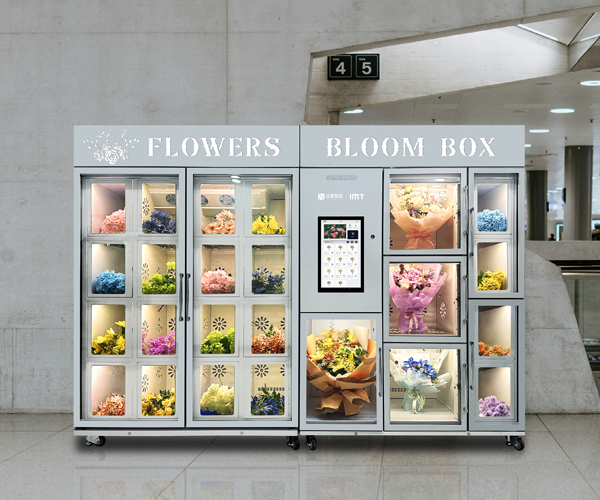
Public placement of automated retail equipment necessitates robust security features that protect both inventory and operational continuity. Modern flower vending machines employ independent storage architecture with cabinet-style lanes featuring individual compartments and secure doors. This design provides superior protection compared to traditional vending mechanisms, preventing unauthorized access while maintaining structural integrity in environments with varying levels of supervision.
The compartmentalized approach also enables product segmentation, allowing operators to offer multiple product varieties or price points within a single unit. Each independent compartment can be restocked individually, streamlining inventory management and reducing service time during high-traffic periods.
Platform Integration and Management Capabilities
Operational efficiency in automated retail extends beyond hardware capabilities to encompass comprehensive management systems that provide real-time visibility into business performance. Leading solutions incorporate cloud-based management platforms that enable remote monitoring of sales transactions, inventory levels, and profit margins across multiple machine locations.
This digital infrastructure supports remote control operations, allowing operators to adjust pricing, monitor machine health, and receive automated alerts for restocking requirements or technical issues. The capability to manage distributed machine networks from centralized dashboards significantly reduces operational overhead while maintaining service quality across all deployment locations.
Advanced systems also support multi-level account management, enabling operators to create subsidiary accounts for agents or regional managers. This hierarchical structure facilitates franchise models and decentralized operations while maintaining centralized oversight and reporting consistency.
Market Applications and Deployment Scenarios
The versatility of automated floral retail has proven effective across diverse venue types, each presenting unique opportunities for revenue generation. Transportation facilities—including subways, airports, and train stations—represent prime locations where transient populations demonstrate high purchasing intent for gifts, apologies, or spontaneous gestures. The convergence of foot traffic, extended operating hours, and emotional purchasing triggers creates ideal conditions for automated floral sales.
Recreational and tourism venues such as amusement parks, city parks, zoos, and tourist attractions similarly benefit from automated retail installations. Visitors to these locations frequently seek memorable tokens or romantic gestures, and the convenience of on-site purchasing eliminates the logistical friction of locating traditional retail outlets.
Public facilities including hospitals, hotels, and schools present particularly promising deployment environments. Hospital visitors often require flowers for patient rooms, while hotel guests may seek romantic amenities or business gifts. Educational institutions provide consistent foot traffic with predictable demographic patterns, supporting stable revenue streams.
Business Model Flexibility and Market Entry
The automated floral retail sector accommodates various business models designed to support different operational scales and market entry strategies. Specialized manufacturers like IMT Vending offer both Original Design Manufacturer (ODM) and Original Equipment Manufacturer (OEM) services, providing turnkey solutions for entrepreneurs and established businesses alike.
The ODM model features no minimum order quantity requirements, reducing barriers to entry for small operators testing market viability or launching pilot programs. This flexibility enables market experimentation without substantial capital commitment, allowing entrepreneurs to validate location performance before scaling operations.
For larger deployments, OEM arrangements with minimum order quantities of 10 units provide customization capabilities that align equipment specifications with specific operational requirements or branding objectives. This approach supports franchise development, regional expansion, and corporate retail strategies requiring standardized equipment across multiple locations.
Production cycles typically span 7 to 30 days, depending on customization requirements and order volume, with comprehensive quality assurance testing conducted prior to delivery. Logistics options accommodate both local and international deployments, with sea freight, land transportation, and express shipping alternatives balancing cost considerations against deployment urgency.
Service Infrastructure and Operational Support
Long-term operational success in automated retail requires robust after-sales support infrastructure. Industry-leading providers offer one-year comprehensive warranties covering all hardware components, complemented by lifetime technical assistance programs that address troubleshooting, maintenance guidance, and operational optimization.
Pre-deployment training materials—including user manuals, video demonstrations, and step-by-step operational guides—ensure that operators can manage routine tasks independently while maintaining access to expert support for complex issues. This combination of self-service resources and professional technical assistance minimizes downtime and maximizes equipment utilization rates.
Future Trajectory of Automated Floral Retail
The convergence of consumer behavior trends, technological advancement, and operational economics suggests continued growth for automated floral retail solutions. As urbanization intensifies and consumer lifestyles increasingly prioritize convenience, the value proposition of 24/7 accessibility in high-traffic locations will strengthen.
Ongoing refinements in preservation technology, user interface design, and payment system integration will further reduce friction in the purchasing process while expanding the range of products suitable for automated retail channels. The proven success of flower vending machines in capturing impulse purchases and serving underserved market segments positions this technology as a sustainable complement to traditional retail channels rather than a temporary novelty.
For venue operators, retail entrepreneurs, and established florists seeking channel expansion, automated floral retail represents a compelling opportunity to generate incremental revenue streams with minimal ongoing labor requirements. The combination of specialized preservation technology, robust security architecture, and comprehensive management platforms creates an ecosystem capable of delivering consistent returns across diverse deployment environments.
The transformation of automated retail from simple convenience to sophisticated channel strategy reflects broader shifts in consumer expectations and retail economics. Flower vending machines exemplify this evolution, demonstrating that even highly perishable, traditionally service-intensive products can successfully transition to automated formats when supported by appropriate technology and strategic deployment.
https://www.imtvending.com/
Guangzhou IMT Technology Co., Ltd.
About Author
