
Choosing the Right JA Solar Panel Model for Your Needs
4 min read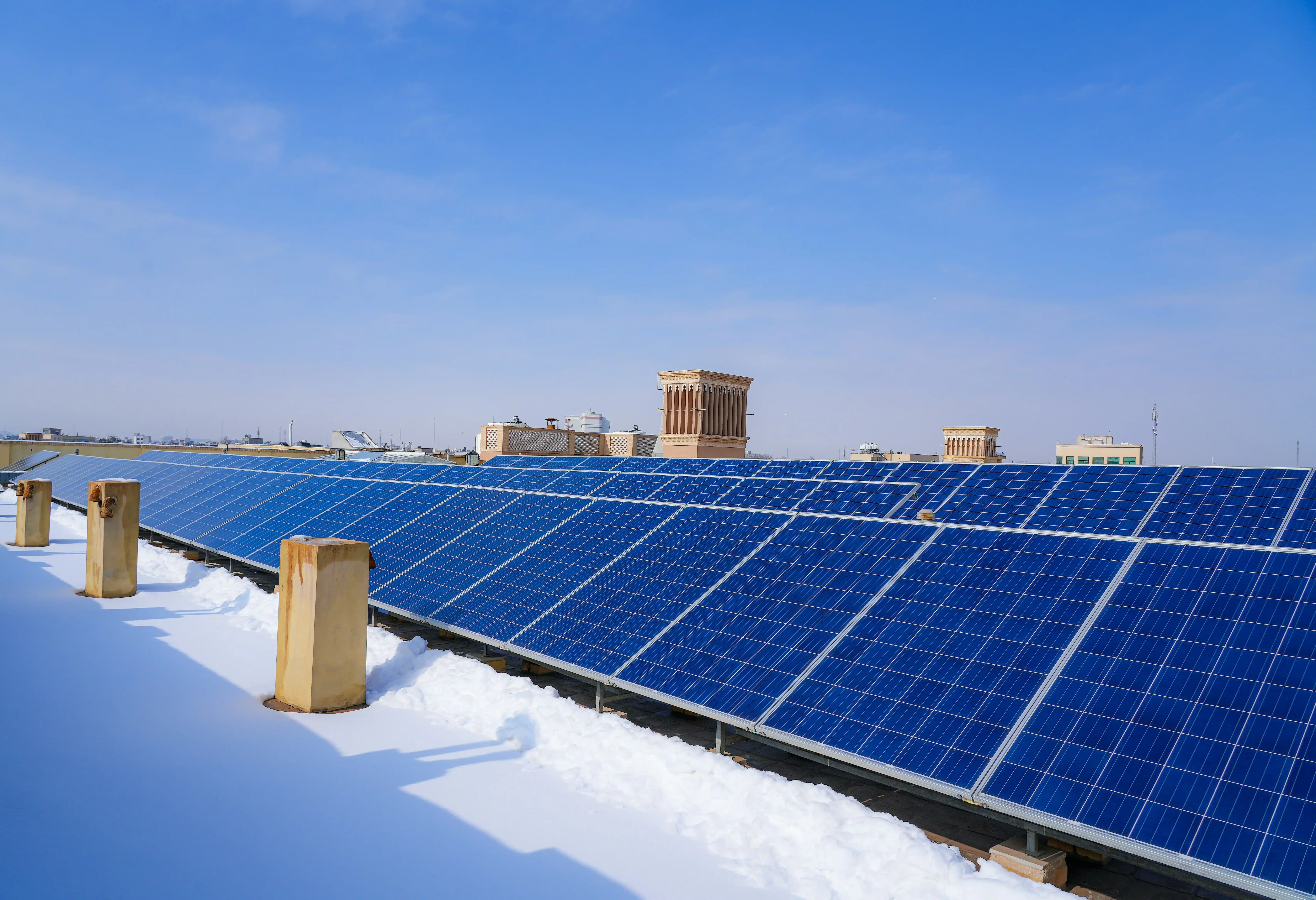
Solar energy has emerged as one of the most reliable and sustainable sources of power for both residential and commercial applications. Among the many brands in the market, JA Solar Panels have earned a reputation for high efficiency, durability, and advanced technology. However, choosing the right JA Solar panel model can be challenging due to the variety of options available. This guide will help you understand the factors to consider when selecting a JA Solar panel to match your energy requirements, installation environment, and budget.
1. Understanding JA Solar Panels
Before selecting a model, it’s essential to understand the features that make JA Solar Panels unique. JA Solar produces a range of photovoltaic (PV) panels, including monocrystalline and polycrystalline options.
Key features include:
-
High efficiency: Many models achieve efficiency above 20%, maximizing energy output in limited spaces.
-
Durability: Tested to withstand extreme weather conditions such as hail, snow, and high winds.
-
Advanced cell technology: Multi-busbar designs, anti-reflective coatings, and improved temperature coefficients enhance performance.
-
Warranty support: Most JA Solar Panels come with a 10–25 year product and performance warranty.
Understanding these features helps you select a model that aligns with your energy needs and environmental conditions.
2. Assessing Your Energy Needs
The first step in choosing the right solar panel model is to evaluate your energy consumption.
2.1 Calculate Energy Usage
Determine your household or business electricity consumption by reviewing utility bills over the past 12 months. Identify the average daily and monthly usage in kilowatt-hours (kWh).
2.2 Estimate System Size
Use your energy consumption data to calculate the number of solar panels needed. Consider:
-
Total energy requirement (kWh per day).
-
Average sunlight hours per day in your location.
-
Efficiency of the JA Solar panel model.
Example: If your household uses 30 kWh per day and you live in an area receiving 5 hours of sunlight per day, you would need a system producing at least 6 kW per day. By selecting a JA Solar panel with 400 W output, you would need approximately 15 panels.
3. Choosing Between Monocrystalline and Polycrystalline Panels
JA Solar offers both monocrystalline and polycrystalline panels, each with advantages and disadvantages.
-
Monocrystalline Panels:
-
Higher efficiency (18–22%).
-
Sleek black appearance, suitable for modern rooftops.
-
Better performance in limited space.
-
Slightly higher cost.
-
Polycrystalline Panels:
-
Lower cost.
-
Blue hue, which may be less visually appealing to some homeowners.
-
Slightly lower efficiency (15–18%).
-
Suitable for larger roof areas with ample sunlight.
Choosing the right type depends on your roof space, budget, and aesthetic preferences.
4. Understanding JA Solar Panel Models
JA Solar manufactures several panel series, each designed for specific applications. Key considerations include:
4.1 Residential Panels
-
Focused on efficiency and aesthetics.
-
Typically offer power output between 350 W and 450 W per panel.
-
Designed for rooftops with limited space.
4.2 Commercial and Industrial Panels
-
Higher wattage options (400–600 W per panel) to meet larger energy demands.
-
Built for durability under heavy loads and variable environmental conditions.
-
Often compatible with large-scale solar farms and commercial buildings.
4.3 Specialty Panels
-
Bifacial panels: Capture sunlight on both sides, improving energy yield.
-
Half-cell technology panels: Reduce power loss and improve shading tolerance.
-
High-temperature coefficient panels: Maintain performance in hot climates.
Selecting a model from the correct series ensures your system meets both energy and environmental requirements.
5. Evaluating Panel Efficiency and Temperature Coefficient
Efficiency determines how much sunlight a panel can convert into electricity. Higher efficiency panels are ideal for limited roof space.
The temperature coefficient is another critical factor, indicating how performance changes with temperature. Panels with lower temperature coefficients maintain output even in hot climates, making them suitable for tropical or desert regions.
6. Checking Warranty and Reliability
A solar panel is a long-term investment. JA Solar provides warranties to ensure your panels perform over their lifespan:
-
Product warranty: Covers defects in materials and workmanship (typically 10–12 years).
-
Performance warranty: Guarantees a certain power output over time (typically 25 years, with a 80–85% output guarantee at the end of the period).
Selecting a model with robust warranty support provides peace of mind and financial protection.
7. Installation Considerations
When choosing a JA Solar panel, installation factors also matter:
-
Roof type and angle: Certain panels may be easier to install on flat roofs or angled rooftops.
-
Weight and mounting system compatibility: Ensure your roof structure can support the chosen model.
-
Inverter compatibility: Confirm the panel’s voltage and current specifications match your inverter.
A professional installer can help evaluate these factors and recommend the most suitable model.
8. Cost vs. Performance Analysis
While higher efficiency panels often cost more, they can provide better long-term returns due to higher energy output. Consider:
-
Initial investment vs. long-term energy savings.
-
Potential incentives, tax credits, or rebates available in your area.
-
Maintenance costs over the panel’s lifespan.
Balancing cost and performance ensures that you choose the panel that best fits your financial and energy goals.
9. Tips for Selecting the Right JA Solar Panel Model
-
Assess your energy needs accurately to avoid oversizing or undersizing the system.
-
Consider roof space and aesthetics; black monocrystalline panels may look better on residential rooftops.
-
Check efficiency ratings and temperature coefficients based on your climate.
-
Compare warranty and reliability across models.
-
Factor in budget constraints, but prioritize long-term performance and durability.
-
Consult with a professional installer for a tailored recommendation.
10. Conclusion
Choosing the right JA Solar Panel model is a critical decision that affects your system’s efficiency, cost, and longevity. By evaluating your energy consumption, understanding panel types, considering installation and environmental factors, and analyzing cost versus performance, you can select the ideal model to meet your needs. JA Solar offers a wide range of panels, from high-efficiency residential models to robust commercial solutions, ensuring there is an option for virtually every application. With careful planning and informed decision-making, your JA Solar Panels can provide reliable, sustainable energy for decades.
Investing in the right solar panel model today not only reduces electricity bills but also contributes to a greener and more sustainable future
www.jasolarworld.com
jasolarworld
About Author
