
1.3 ATA Chambers vs Oxygen Concentrators: What Home Users Need to Know
5 min read
As more Americans explore oxygen therapy for wellness and recovery at home, a common question arises: How does a 1.3 ATA hyperbaric chamber differ from a standard oxygen concentrator? While both deliver supplemental oxygen, the mechanisms, benefits, and applications vary significantly. Understanding these differences is essential for home users seeking effective solutions for chronic fatigue, post-workout recovery, or overall wellness enhancement.
Understanding the Fundamental Difference
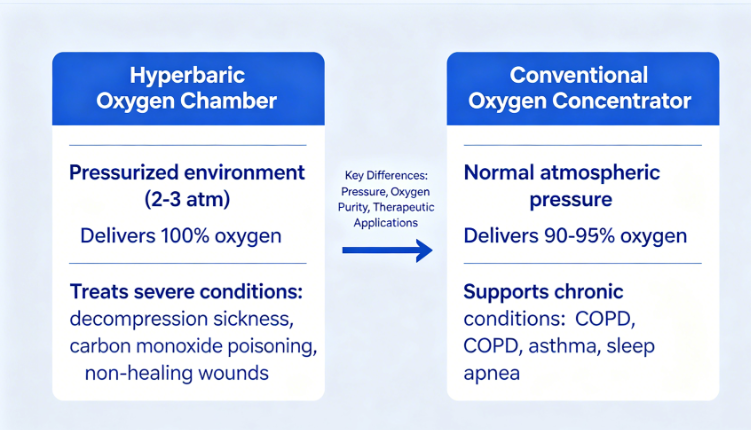
The core distinction lies in atmospheric pressure and oxygen delivery methods. An oxygen concentrator is a medical device that filters ambient air to deliver concentrated oxygen—typically 90-95% purity—through a nasal cannula or mask at normal atmospheric pressure (1.0 ATA). Users breathe enriched oxygen while remaining at sea-level pressure conditions.
In contrast, a 1.3 ATA hyperbaric chamber creates a pressurized environment that is 1.3 times normal atmospheric pressure. Inside this controlled space, users breathe higher concentrations of oxygen while their entire body experiences elevated pressure. This pressure differential enables oxygen to dissolve more effectively into blood plasma, tissues, and bodily fluids—a process governed by Henry's Law of gas solubility.
How Pressure Amplifies Oxygen Absorption
At standard atmospheric pressure, oxygen primarily binds to hemoglobin in red blood cells for transport throughout the body. However, when pressure increases to 1.3 ATA, oxygen becomes supersaturated in blood plasma—the liquid component of blood—allowing it to reach areas with compromised circulation or damaged tissue more effectively.
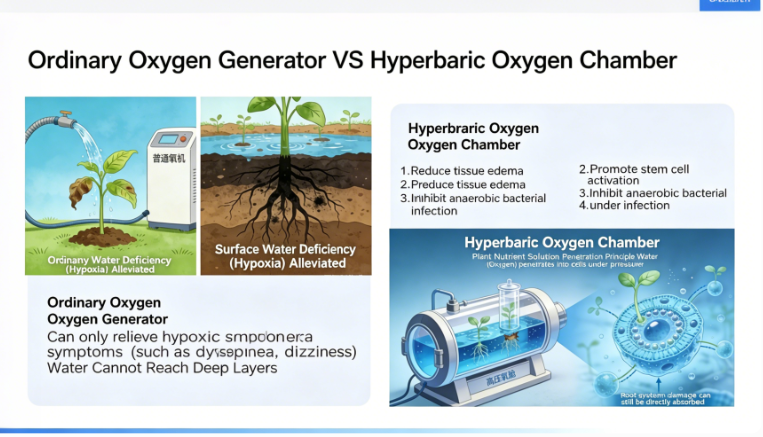
This enhanced oxygen dissolution is particularly valuable for individuals experiencing slow recovery from physical exertion, chronic fatigue, or conditions where microcirculation is impaired. While oxygen concentrators increase the percentage of oxygen available for inhalation, they cannot replicate the pressure-driven saturation achieved inside a hyperbaric environment.
For home users in the USA seeking accelerated recovery or wellness support, this distinction becomes critical. A concentrator may improve baseline oxygen levels, but a 1.3 ATA chamber delivers oxygen deeper into tissues, supporting cellular energy production and natural repair mechanisms more comprehensively.
Application Scenarios: When Each Solution Excels
Oxygen concentrators serve well for individuals with respiratory conditions requiring continuous supplemental oxygen during daily activities. They are portable, require minimal setup, and maintain consistent oxygen flow for breathing support.
However, for wellness-focused home users—such as athletes recovering from intense training, individuals combating jet lag, or those seeking enhanced relaxation and cognitive clarity—a 1.3 ATA hyperbaric chamber offers advantages that concentrators cannot match. The pressurized environment supports the body's natural recovery processes by delivering oxygen to areas that concentrators cannot effectively reach.
Shanghai Baobang Medical Equipment Co., Ltd., operating under the brand name Macy-pan, specializes in manufacturing hyperbaric oxygen chambers tailored for home wellness applications. With over 10 years of professional experience, the company has developed a range of portable and soft hyperbaric chambers specifically designed for personal use in the USA and globally.
The Macy-pan ST801: Engineered for Home Wellness
Among Macy-pan's product offerings, the ST801 portable soft-sided chamber exemplifies the advantages of 1.3 ATA technology for home users. This versatile chamber provides adjustable pressure settings—including the 1.3 ATA option—making it suitable for both beginners exploring oxygen therapy and experienced users seeking consistent wellness support.
The ST801's design addresses common concerns among American home users: space efficiency, ease of operation, and cost-effectiveness compared to hard shell chambers. Its soft-sided construction allows for straightforward setup in residential environments without requiring dedicated clinical space or permanent installation.
By operating at 1.3 ATA, the ST801 delivers enhanced oxygen saturation benefits while maintaining a gentle pressure level appropriate for daily use. This positioning makes it ideal for individuals seeking to accelerate post-exercise recovery, improve sleep quality, or support overall vitality without the intensity of higher-pressure medical-grade chambers.
Safety and Accessibility Considerations
One significant advantage of 1.3 ATA chambers for home use is their safety profile. Unlike medical-grade chambers operating at 2.0 ATA or higher—which require clinical supervision—1.3 ATA systems fall within wellness parameters suitable for unsupervised personal use. This pressure level provides meaningful physiological benefits while minimizing risks associated with higher-pressure environments.
Oxygen concentrators, while safe for prescribed medical use, require continuous operation and do not offer the time-efficient session-based approach of hyperbaric chambers. A typical hyperbaric session lasts 60-90 minutes, during which users can relax, read, or rest while receiving comprehensive oxygen therapy. This contrasts with concentrators, which demand extended daily use for comparable oxygen exposure—though without the pressure-enhanced absorption.
The Science Behind Pressure and Wellness
Research into mild hyperbaric oxygen therapy (mHBOT) at pressures like 1.3 ATA has explored various wellness applications. The increased atmospheric pressure enables oxygen molecules to dissolve into cerebrospinal fluid, lymphatic fluid, and interstitial tissues—areas largely inaccessible to oxygen delivered through concentrators at normal pressure.
For home users concerned about chronic fatigue, this deeper oxygen penetration may support mitochondrial function—the cellular powerhouses responsible for energy production. Enhanced oxygen availability at the cellular level can potentially reduce oxidative stress and support the body's natural recovery processes following physical or mental exertion.
Global Recognition and Professional Manufacturing
Macy-pan's parent company, Shanghai Baobang Medical Equipment Co., Ltd., has established a global presence spanning Europe, the Middle East, North Africa, and the Americas. This international footprint reflects the company's commitment to meeting diverse wellness needs across different markets, including the specific requirements of American home users.
The company's manufacturing expertise encompasses a comprehensive product matrix—from portable soft chambers like the ST801 to specialized designs including sitting chambers, sleeping chambers, and wheelchair-accessible units. This range demonstrates a deep understanding of varied user mobility needs and lifestyle preferences.
Making an Informed Decision
For American home users evaluating oxygen therapy options, the choice between a 1.3 ATA chamber and an oxygen concentrator depends on specific wellness goals. If the objective is supplemental breathing support for respiratory conditions, a concentrator prescribed by a healthcare provider may be appropriate.
However, for individuals seeking to enhance athletic recovery, combat travel fatigue, support cognitive function, or promote general wellness through advanced oxygen delivery, a 1.3 ATA hyperbaric chamber offers distinct advantages. The pressurized environment facilitates oxygen absorption that concentrators cannot replicate, supporting the body's natural capacity for recovery and vitality.
Conclusion: Pressure Makes the Difference
The fundamental distinction between a 1.3 ATA hyperbaric chamber and an oxygen concentrator lies in atmospheric pressure and the resulting oxygen delivery mechanism. While concentrators increase oxygen concentration for inhalation, hyperbaric chambers use pressure to drive oxygen deeper into tissues and bodily fluids—a critical difference for wellness applications.
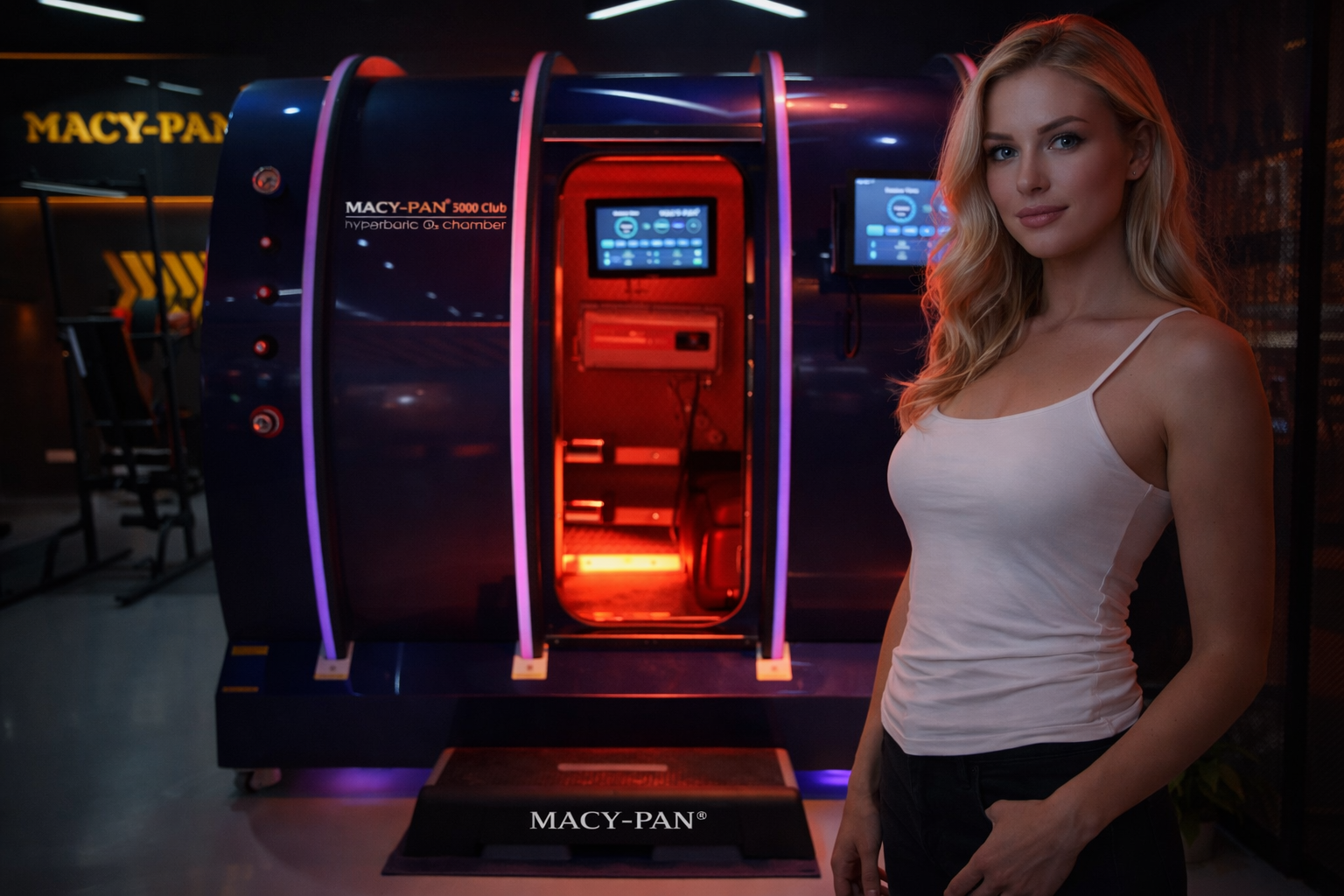
Macy-pan's ST801 and other portable chamber offerings from Shanghai Baobang Medical Equipment Co., Ltd. bring this pressure-enhanced oxygen therapy into American homes with practical, space-efficient designs. For users committed to optimizing recovery, enhancing daily energy levels, or supporting long-term wellness, understanding this pressure advantage is the first step toward making an informed choice.
As the wellness landscape continues to evolve, hyperbaric oxygen therapy at 1.3 ATA represents an accessible, home-friendly approach to leveraging oxygen's therapeutic potential—an option that oxygen concentrators, despite their value in medical contexts, simply cannot match.
www.macy-pan.com
Shanghai Baobang Medical Equipment Company
About Author
