
Electric Boat Smart Screens Improve Navigation Visibility
7 min read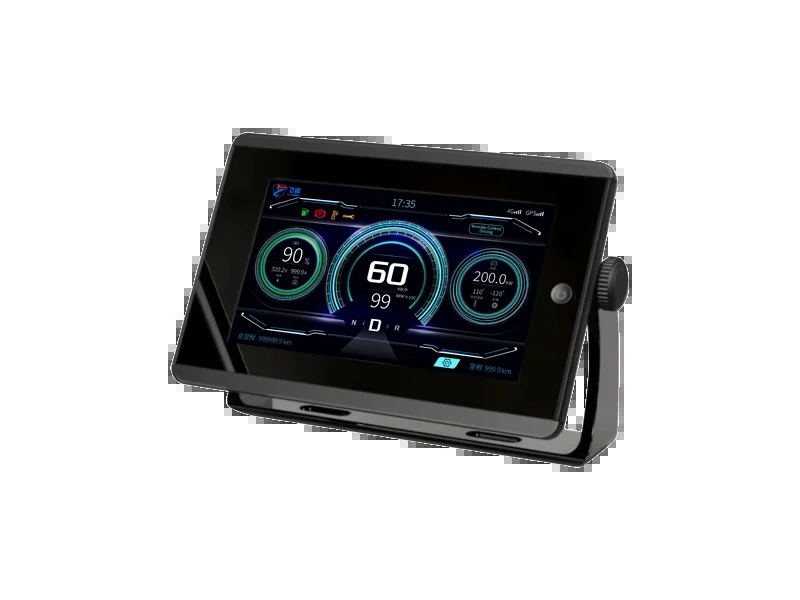
Modern boating is rapidly moving beyond traditional mechanical systems toward a more connected and intelligent operating environment. As waterways become increasingly busy and marine vessels adopt more sophisticated technologies, captains and operators need access to accurate information in real time to make effective decisions. One technology playing an increasingly important role is the electric boat smart screen, which is changing the way navigation information is presented and managed onboard.
Today’s smart marine screens are far more than simple digital displays. They function as integrated control interfaces that bring together navigation information, propulsion data, environmental conditions, and vessel status. For electric and hybrid boats used in both commercial and recreational settings, this type of centralized system is becoming an increasingly valuable part of modern vessel design.
Ningbo Fly Shark Energy Technology Co., Ltd. is one company contributing to this development. As a high-tech enterprise specializing in high-power new energy propulsion and intelligent marine control technologies, the company develops integrated solutions involving unmanned navigation, intelligent driving assistance, and Beidou satellite positioning. These technologies are designed to support the development of smarter and more efficient vessels.
Why Navigation Visibility Remains a Challenge
Although modern boats can be equipped with radar, sonar, GPS, and other advanced navigation technologies, maintaining complete situational awareness on the water remains difficult.
Marine operating conditions can change quickly. Fog, strong sunlight, nighttime navigation, waves, narrow waterways, and heavy traffic can all affect an operator’s ability to accurately assess the surrounding environment. Busy ports and inland waterways can be particularly demanding because multiple vessels may be moving in different directions at the same time.
Another challenge is that conventional marine instruments are often separated into different systems. Radar may be displayed on one unit, positioning information on another, while propulsion and engine controls are handled through a separate interface. Operators therefore have to continuously shift their attention between different screens and instruments.
Electric propulsion adds another layer of information that needs to be monitored. In addition to speed and heading, operators may need to track battery capacity, power consumption, propulsion output, regenerative energy, and overall system condition.
An integrated smart screen helps solve this problem by bringing key information together within one interface.
What Can an Electric Boat Smart Screen Provide?
An electric boat smart screen is essentially a centralized digital interface that combines information from multiple onboard systems. Rather than simply displaying raw data, an advanced system can organize and process information so that operators can understand the vessel’s operating condition more efficiently.
Depending on the system configuration, a smart screen may provide access to:
-
Digital navigation charts and real-time positioning
-
Radar information and obstacle detection
-
Propulsion and system diagnostics
-
Battery capacity and power consumption
-
Weather and water condition information
-
Route planning and navigation recommendations
The major advantage is the integration of different data sources. Instead of forcing the operator to interpret several independent displays, the system creates a more complete picture of what is happening both inside and outside the vessel.
For example, a captain can monitor nearby vessels while checking the boat’s battery status, adjusting propulsion output, and reviewing navigation information from the same operating interface.
How Smart Screens Support Electric Propulsion
Electric propulsion systems have different operating characteristics compared with conventional internal combustion engines. Electric motors can deliver torque rapidly, while energy consumption is closely related to vessel speed, load, route conditions, and operating habits.
For this reason, real-time operational information is particularly useful on electric boats.
Smart screens can translate complex propulsion and energy data into practical information that operators can understand quickly. This may include:
-
Recommended cruising speeds for improved range
-
Energy consumption per nautical mile
-
Power distribution among propulsion systems
-
Battery load and operating status
-
Regenerative energy recovery information
Having these parameters visible in real time allows operators to adjust their driving behavior according to actual operating conditions.
For commercial vessels, this can be especially useful because energy management can influence route selection, operating range, and mission planning.
Combining Navigation With Intelligent Vessel Control
The development of marine electronics is moving toward greater system integration. Smart screens are increasingly being connected with intelligent driving assistance, automated control functions, and navigation support technologies.
Depending on the vessel and system architecture, intelligent functions may assist operators by:
-
Recommending route adjustments according to surrounding traffic
-
Supporting speed control in restricted or sensitive areas
-
Assisting with docking approach planning
-
Generating warnings when potential navigation hazards are detected
Instead of replacing the captain, these functions are designed to provide additional information and decision support.
This can be particularly beneficial for vessels operating in crowded harbors, rivers, lakes, and other waterways where changing traffic conditions require constant attention.
Fly Shark and Integrated Smart Marine Technology
Ningbo Fly Shark Energy Technology Co., Ltd. takes an integrated approach to smart marine technology, combining high-power electric propulsion with intelligent vessel control and navigation technologies.
Its product development focuses on creating complete marine systems rather than treating propulsion, navigation, and control as completely independent functions. The smart screen is an important part of this architecture, providing a centralized operating interface for vessel information and control.
For more information, visit the Smart Screen System.
Compared with traditional marine displays that primarily focus on chart or navigation information, an integrated smart screen can connect propulsion equipment, navigation sensors, positioning technologies, and other onboard systems through a unified interface.
This approach can simplify vessel operation while improving access to important information. It also provides greater flexibility for vessels that require both conventional manual control and intelligent assistance.
Improving Situational Awareness in Changing Conditions
The benefits of integrated smart screens become especially clear when vessels operate under complicated real-world conditions.
Imagine an electric boat traveling through a coastal waterway where commercial traffic, recreational boats, changing tides, and reduced visibility are present. With a conventional setup, the operator may need to alternate between several displays to understand the surrounding environment and monitor vessel performance.
An integrated smart screen can place these different information sources into one operating environment.
For instance:
-
A nearby vessel can be identified on the navigation display together with relevant movement information.
-
Propulsion output can be adjusted according to changes in water and operating conditions.
-
Navigation routes can be modified when traffic congestion is detected.
-
Battery consumption can be monitored continuously as the vessel changes speed or direction.
By reducing the need to manually combine information from different instruments, the system can help operators react more efficiently when conditions change.
Reducing Operator Workload
Navigation is not only a technical challenge; it is also a human-factor challenge. Captains must continuously observe their surroundings, interpret navigation information, monitor vessel performance, and respond to unexpected situations.
When important information is distributed across numerous independent instruments, the operator has to mentally combine those data sources. This can increase workload, especially during nighttime operations, poor visibility, or high-traffic situations.
Smart screens can help address this issue through better information organization. Important warnings can receive greater visual priority, while less urgent information can remain available without dominating the operator’s attention.
Grouping related information within a single interface also makes it easier to understand the relationship between navigation conditions and vessel performance.
The result is not simply a cleaner display, but a more practical operating environment.
Where Smart Marine Screens Are Heading
The future development of marine smart screens is likely to involve even deeper integration with automation, artificial intelligence, and autonomous navigation technologies.
Potential developments include:
-
Predictive route planning using traffic and weather information
-
Automated energy management for longer electric cruising
-
Improved machine vision for identifying obstacles
-
More advanced collision-risk analysis
-
Voice-based or other intuitive control methods
As these technologies mature, the smart screen may become more than an information terminal. It could evolve into the primary interface through which operators interact with an increasingly intelligent vessel.
Companies such as Ningbo Fly Shark Energy Technology Co., Ltd. are helping support this transition by combining electric propulsion engineering with intelligent marine control technologies.
The broader trend is toward vessels that function as interconnected digital platforms, where propulsion, navigation, positioning, energy management, and operational assistance work together rather than operating as isolated systems.
Conclusion
Electric boat smart screens are changing the way information is managed and navigation visibility is achieved on modern vessels. By bringing navigation data, propulsion information, environmental awareness, and energy management together within one interface, these systems can help operators make faster and more informed decisions.
Their importance goes beyond simply replacing traditional displays. Smart screens represent a broader transition from fragmented marine controls toward integrated and intelligent vessel platforms.
As electric propulsion and autonomous marine technologies continue to advance, solutions such as those developed by Ningbo Fly Shark Energy Technology Co., Ltd. will play an increasingly important role in creating connected, responsive, and intelligent boating systems.
With integrated solutions such as the Smart Screen System, the marine industry is moving toward a future in which digital intelligence and electric propulsion work together to deliver safer, clearer, and more efficient vessel operations.
www.flysharkmarine.com
Ningbo Flyshark Energy Technology Co., Ltd.
About Author
