
How to Choose the Right Canned Food Labeling Machine for Your Production Line
5 min read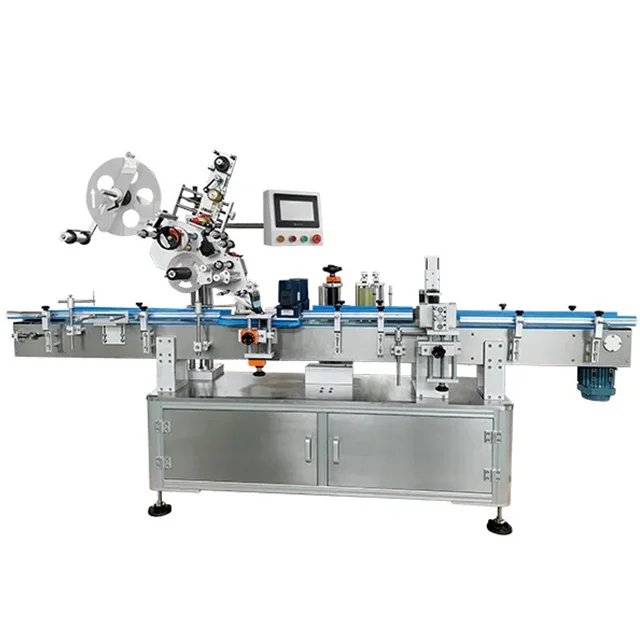
In the highly competitive canned food industry, packaging is far more than a finishing touch—it is a crucial part of brand identity, regulatory compliance, and production efficiency. Among all packaging processes, labeling plays a decisive role. A reliable canned food labeling machine ensures accurate label placement, consistent appearance, and smooth downstream logistics. However, with numerous machine types, configurations, and automation levels available on the market, choosing the right canned food labeling machine for your production line can be challenging.
This guide provides a comprehensive, practical framework to help food manufacturers, processors, and production managers select the most suitable labeling solution based on production requirements, container types, compliance needs, and long-term scalability.
1. Understanding the Role of Labeling in Canned Food Production
Labeling is not just about aesthetics. In canned food manufacturing, labels serve several critical functions:
-
Regulatory compliance (nutrition facts, ingredients, allergens, expiration dates)
-
Brand recognition and shelf appeal
-
Traceability and batch identification
-
Consumer trust and transparency
An inappropriate labeling machine can lead to misalignment, air bubbles, wrinkles, or incorrect information placement, resulting in product recalls, brand damage, or regulatory penalties. Therefore, selecting the right canned food labeling machine is a strategic decision, not just an equipment purchase.
2. Identify Your Can and Container Specifications
Before evaluating labeling machines, it is essential to fully understand the characteristics of your containers.
2.1 Can Material
Most canned food products use:
-
Aluminum cans
-
Tinplate steel cans
These materials affect label adhesion and machine handling. Some machines are better optimized for lightweight aluminum cans, while others provide stronger stabilization for heavier steel cans.
2.2 Can Shape and Size
Cans may vary in:
-
Diameter
-
Height
-
Shoulder or rim design
-
Standard cylindrical vs. special shapes
If your production line handles multiple can sizes, you should prioritize a canned food labeling machine with quick-change tooling or adjustable guides to minimize downtime.
2.3 Surface Condition
Oil residue, moisture, or condensation can impact label adhesion. In such cases, machines with integrated wiping or air-blowing systems help ensure clean application surfaces.
3. Determine Label Type and Application Requirements
Label type is one of the most decisive factors when choosing a canned food labeling machine.
3.1 Common Label Types for Canned Food
-
Wrap-around labels (paper, BOPP, PET)
-
Pressure-sensitive self-adhesive labels
-
Shrink sleeve labels
-
Pre-cut paper labels with glue application
Each label type requires a different labeling mechanism. For example:
-
Wrap-around labels typically require roll-fed labeling machines.
-
Self-adhesive labels require precision peel-and-apply systems.
-
Shrink sleeves involve heat tunnels and specialized applicators.
3.2 Label Placement Accuracy
Food products sold in retail environments demand high labeling precision. Machines with servo-driven motors and vision inspection systems offer superior consistency, especially for high-end or export-oriented brands.
4. Match the Machine to Your Production Speed
Production speed is a critical parameter that directly influences machine selection.
4.1 Low-Speed Production Lines
Small-scale or startup manufacturers may operate at:
-
20–60 cans per minute
For these lines, semi-automatic or compact automatic canned food labeling machines are often sufficient and cost-effective.
4.2 Medium-Speed Production Lines
Mid-sized factories typically require:
-
80–200 cans per minute
Fully automatic labeling machines with stable conveyor integration are ideal for balancing efficiency and flexibility.
4.3 High-Speed Production Lines
Large-scale operations may exceed:
-
300 cans per minute
At this level, high-speed rotary or inline labeling machines with automatic label feeding, rejection systems, and real-time monitoring become essential.
5. Integration with Existing Production Line Equipment
A canned food labeling machine must work seamlessly with upstream and downstream equipment.
5.1 Upstream Compatibility
The labeling machine should synchronize smoothly with:
-
Can fillers
-
Seamers
-
Can washers or dryers
Improper integration can cause bottlenecks, tipping, or misalignment.
5.2 Downstream Compatibility
Downstream equipment may include:
-
Inkjet or laser date coders
-
Checkweighers
-
Cartoning or case packing machines
Machines with modular designs and standardized communication protocols (such as PLC or industrial Ethernet) simplify integration and future upgrades.
6. Automation Level and Labor Considerations
Automation level directly affects labor costs, consistency, and long-term efficiency.
6.1 Semi-Automatic Labeling Machines
Advantages:
-
Lower initial investment
-
Simple operation
-
Suitable for small batches or seasonal products
Limitations:
-
Higher labor dependency
-
Lower throughput
-
Less consistency at scale
6.2 Fully Automatic Labeling Machines
Advantages:
-
High efficiency and repeatability
-
Reduced labor costs
-
Better hygiene and safety control
For manufacturers targeting export markets or rapid growth, fully automatic canned food labeling machines are usually the smarter long-term investment.
7. Compliance with Food Safety and Hygiene Standards
Food-grade manufacturing environments impose strict hygiene requirements.
7.1 Machine Materials
Look for:
-
Stainless steel frames (SUS304 or SUS316)
-
Food-grade belts and rollers
-
Corrosion-resistant components
7.2 Cleanability
Machines should feature:
-
Easy-to-clean surfaces
-
Tool-free disassembly
-
Minimal dust and glue accumulation points
Compliance with standards such as FDA, CE, or GMP is often necessary, especially for international trade.
8. Flexibility for Future Product Expansion
Your current product lineup may not reflect future needs. A good canned food labeling machine should support long-term growth.
8.1 Multi-Product Capability
Machines that can handle:
-
Different can sizes
-
Multiple label formats
-
Variable label positions
will significantly reduce future capital expenditures.
8.2 Upgrade Potential
Consider whether the machine allows:
-
Vision inspection upgrades
-
Serialization or QR code integration
-
IoT-based monitoring systems
Scalable machines provide better return on investment over their lifecycle.
9. Labeling Accuracy, Inspection, and Error Reduction
Labeling errors are costly. Advanced labeling machines reduce risks through smart technologies.
9.1 Vision Inspection Systems
Optional cameras can detect:
-
Missing labels
-
Skewed placement
-
Incorrect label data
9.2 Rejection Systems
Automated reject mechanisms ensure that non-compliant cans are removed from the line before packing.
These features are especially important for high-volume canned food production and strict export regulations.
10. Supplier Support, Service, and Spare Parts Availability
Even the best machine requires ongoing support.
10.1 Technical Support
Choose a supplier that offers:
-
Remote troubleshooting
-
Clear documentation
-
Operator training
10.2 Spare Parts Availability
Readily available spare parts reduce downtime and prevent production delays. Local service networks or fast international shipping are strong advantages.
11. Total Cost of Ownership (TCO) vs Initial Price
Focusing only on purchase price can be misleading.
When evaluating a canned food labeling machine, consider:
-
Energy consumption
-
Maintenance frequency
-
Spare part costs
-
Downtime risk
-
Labor savings
A higher-quality machine often delivers lower total cost of ownership over time.
12. Final Checklist Before Making a Decision
Before purchasing, ensure you have answered the following questions:
-
What can sizes and materials do we use now and in the future?
-
What label type and accuracy level do we require?
-
What is our current and projected production speed?
-
Does the machine integrate with our existing line?
-
Does it meet food safety and compliance standards?
-
Can the supplier provide long-term support?
By systematically evaluating these factors, manufacturers can confidently choose a canned food labeling machine that enhances efficiency, compliance, and brand value.
Beilt, as a professional manufacturer and solution provider of canned food labeling machines, combines advanced engineering, reliable automation technology, and deep industry experience to deliver efficient, stable, and food-grade labeling solutions.
www.beiltpack.com
beiltpack
About Author
