
Initial Rainwater Filtration for Efficient Stormwater Management
5 min read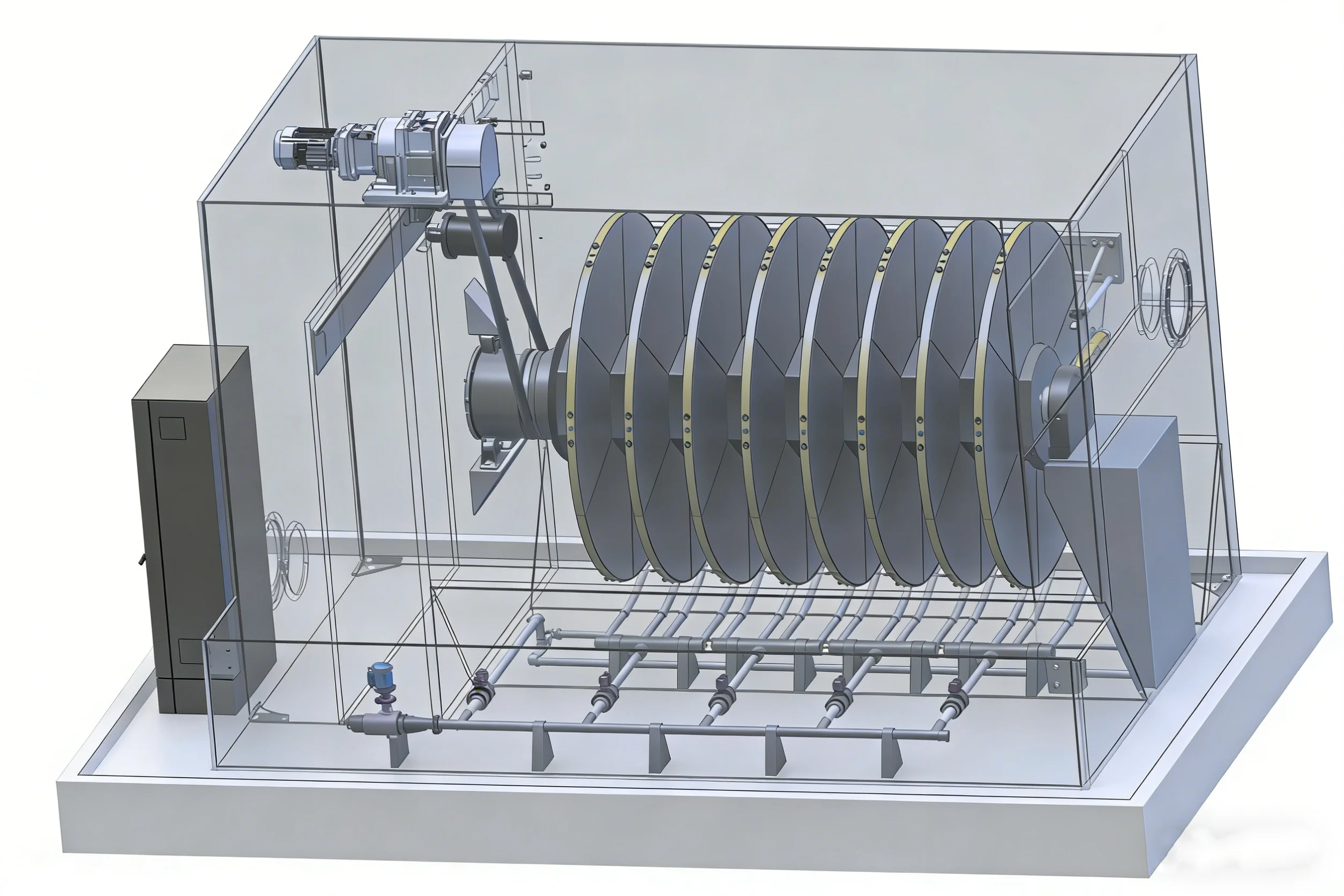
As urbanization accelerates and climate patterns become increasingly unpredictable, cities around the world are facing growing pressure on their drainage infrastructure. Heavy rainfall events often overwhelm traditional drainage systems, leading to flooding, pollution discharge, and damage to public infrastructure. In response, modern water engineering has shifted toward smarter, more sustainable approaches to stormwater control.
One of the most critical components in this evolution is initial rainwater filtration. This process represents the first and most important stage in rainwater treatment systems, designed to remove pollutants at the very beginning of runoff collection. By eliminating debris, sediment, oil, and organic contaminants early, initial filtration significantly improves the efficiency and lifespan of downstream water treatment processes.
Among various technologies used in this field, fiber-based filtration systems—such as disc filter solutions—have become widely adopted due to their high efficiency, stability, and adaptability under heavy rainfall conditions.
What Is Initial Rainwater Filtration?
Initial rainwater filtration refers to the first stage of treating stormwater runoff collected from roofs, roads, industrial surfaces, and urban landscapes. This stage focuses on removing high-concentration pollutants that are typically present at the beginning of rainfall events, often called “first flush” water.
This initial runoff usually contains:
-
Dust and fine particulate matter
-
Leaves, branches, and solid debris
-
Oil residues from roads and parking areas
-
Organic contaminants from urban surfaces
-
Heavy metals and micro-pollutants
If not properly treated, these pollutants can enter rivers, lakes, or groundwater systems, causing long-term environmental damage.
The goal of initial filtration is to reduce pollutant load before water enters storage tanks or advanced treatment units.
Why Initial Rainwater Filtration Is Essential
Modern cities are increasingly replacing traditional drainage concepts with advanced water management systems. Instead of simply discharging stormwater, urban planners now aim to capture, filter, and reuse rainwater whenever possible.
Initial filtration plays a vital role in this transformation because it:
-
Reduces pressure on downstream treatment systems
-
Prevents clogging and damage to pipelines
-
Improves overall water quality
-
Enables rainwater reuse for irrigation or industrial use
-
Supports flood mitigation strategies
Without effective initial filtration, even advanced treatment systems can fail due to overload and contamination.
Fiber-Based Disc Filtration Technology in Rainwater Systems
In modern engineering applications, fiber-based disc filtration systems are widely used in initial rainwater treatment. These systems utilize high-density fiber filter media arranged in disc structures to achieve efficient solid-liquid separation.
A typical fiber disc filter rainwater system operates through a combination of physical interception and depth filtration. Water flows through the fiber media, where suspended particles are trapped within the filter layers while clean water passes through.
This structure provides several advantages:
-
Large filtration surface area
-
High dirt-holding capacity
-
Stable performance under fluctuating flow conditions
-
Reduced risk of clogging
-
Automatic backwashing capability
These characteristics make fiber disc filters particularly suitable for stormwater environments with unpredictable flow rates and pollutant loads.
System Structure and Working Process
Based on modern initial rainwater filtration system design principles, the process generally includes several stages:
1. Inflow Buffering
Rainwater is first collected into a buffer chamber. This step stabilizes incoming flow and reduces the impact of sudden rainfall surges. Large debris such as leaves and plastics are partially intercepted at this stage.
2. Primary Separation
Heavier particles settle at the bottom of the tank, while lighter suspended solids remain in the water column. This step helps reduce load on the filtration unit.
3. Fiber Disc Filtration
Water then enters the fiber disc filtration chamber. Here, fine particles are removed through high-efficiency fiber media. The system ensures stable performance even under high turbidity conditions.
4. Backwashing and Self-Cleaning
As particles accumulate, the system automatically initiates a cleaning cycle. The filter disc rotates and releases trapped solids, maintaining consistent filtration performance.
5. Sludge Discharge
Collected solids are discharged through a sludge outlet, preventing secondary pollution and maintaining system efficiency.
Performance in Urban Stormwater Environments
In modern cities, stormwater systems must handle highly variable conditions. Rainfall intensity can change rapidly, and pollutant loads can vary significantly depending on traffic, industrial activity, and surface conditions.
A well-designed stormwater filtration system must therefore be capable of:
-
Handling high peak flow rates
-
Maintaining filtration efficiency during heavy rainfall
-
Operating continuously without frequent maintenance
-
Preventing system clogging during high sediment loads
Fiber disc-based systems are particularly effective in meeting these requirements due to their adaptive structure and high filtration capacity.
Role in Sustainable Urban Infrastructure
As cities transition toward green infrastructure and water-sensitive design, initial filtration systems are becoming a core component of urban planning.
A modern urban drainage system solution integrates multiple technologies, including storage tanks, filtration units, and reuse systems, to create a closed-loop water cycle.
Within this framework, initial filtration ensures that only properly treated water enters downstream systems, reducing operational risks and improving sustainability outcomes.
Similarly, sustainable urban drainage systems aim to replicate natural hydrological cycles by slowing down runoff, improving infiltration, and enhancing water quality before discharge or reuse.
Initial filtration systems are essential in achieving these goals because they act as the first barrier against urban pollution.
Benefits of High-Efficiency Filtration Technology
Modern initial filtration systems are designed for both performance and durability. A high-efficiency rainwater filtration system offers several key advantages:
-
High removal efficiency for suspended solids
-
Stable operation under variable flow conditions
-
Low energy consumption
-
Reduced maintenance requirements
-
Long service life of filter media
These benefits make such systems suitable for both municipal and industrial applications.
Applications in Stormwater Management
Initial rainwater filtration systems are widely used in various sectors:
Urban Infrastructure
Roads, highways, and public drainage networks require effective pre-treatment to prevent pollution discharge into natural water bodies.
Industrial Facilities
Factories and warehouses use filtration systems to treat runoff from production areas and loading zones.
Commercial Buildings
Shopping centers, parking lots, and office complexes implement filtration systems to manage rooftop and surface runoff.
Environmental Projects
Eco-parks and sponge city developments integrate filtration systems into broader ecological water management frameworks.
Together, these applications form a comprehensive stormwater management solution that supports both environmental protection and resource reuse.
Advantages Over Traditional Drainage Methods
Traditional drainage systems focus primarily on rapid water discharge, often ignoring water quality. In contrast, modern filtration-based systems provide multiple benefits:
-
Improved water quality before discharge
-
Reduced burden on municipal treatment plants
-
Increased potential for rainwater reuse
-
Lower environmental impact
-
Enhanced system resilience during extreme weather events
This shift represents a major advancement in urban water management philosophy.
www.jinhuacn.com
jinhua
About Author
