
Threaded Rod with Zinc Nickel Coating: Pricing and Performance Guide
5 min read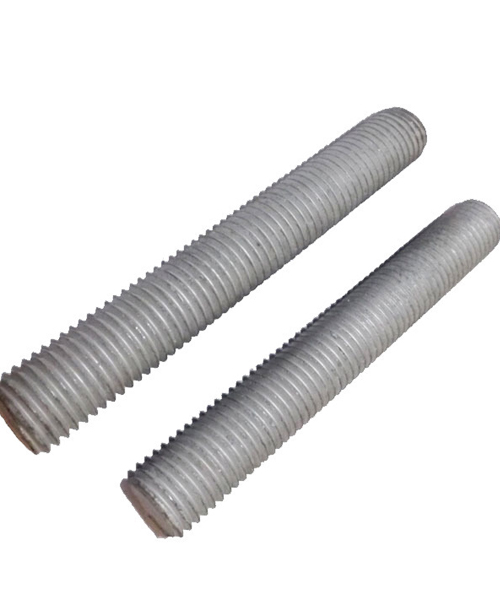
When industrial projects demand fastening solutions that withstand extreme environmental challenges, the choice of coating technology becomes as critical as the fastener itself. Threaded rods with zinc nickel coating have emerged as the preferred solution for applications requiring extended corrosion resistance, particularly in marine, infrastructure, and renewable energy sectors. Understanding the pricing structure and value proposition of these specialized components requires examining both material science and practical application benefits.
Understanding Zinc Nickel Coating Technology
Zinc nickel (Zn-Ni) coating represents an advanced surface treatment that delivers significantly enhanced corrosion protection compared to traditional zinc plating. This electroplated alloy coating typically contains 12-15% nickel combined with zinc, creating a barrier layer that resists corrosive elements for 20-50 years in extreme outdoor environments. The coating's superior performance stems from its ability to form a protective passive layer when exposed to atmospheric conditions, effectively preventing rust formation even under high humidity and salt spray exposure.
For threaded rods specifically, Zn-Ni coating offers critical advantages in maintaining thread integrity over extended service periods. Unlike conventional galvanizing that can add excessive thickness and compromise thread tolerances, zinc nickel coatings provide uniform coverage at controlled thicknesses of 8-12 microns, ensuring threads remain functional while gaining maximum protection. This precision makes Zn-Ni coated threaded rods particularly valuable for applications requiring both dimensional accuracy and long-term durability.
Pricing Factors for Zn-Ni Coated Threaded Rods
The cost of threaded rods with zinc nickel coating reflects several key variables that industrial buyers must consider when evaluating project budgets. Material specifications constitute the primary pricing driver, with factors including rod diameter, length, thread type, and base material grade directly impacting costs. Threaded rods manufactured to ASTM A193 B7 specifications for high-pressure and high-temperature applications command premium pricing due to their superior mechanical properties and specialized heat treatment requirements.
Coating application represents another significant cost component. The zinc nickel electroplating process requires specialized equipment, controlled chemistry, and rigorous quality testing to achieve the desired corrosion resistance performance. Salt spray testing verification, which demonstrates coating effectiveness through standardized exposure protocols, adds to the overall cost structure but provides essential performance guarantees. This investment in quality assurance ensures that specified corrosion resistance targets—often exceeding 1,000 hours in neutral salt spray testing—are consistently achieved.
Order volume substantially influences unit pricing. Shanghai Hengrui Industry Co., Ltd. leverages its 12,000-ton annual production capacity to offer competitive pricing structures that reward larger commitments while maintaining flexibility for custom requirements. The company's expertise in process selection enables significant cost reductions by matching optimal manufacturing methods to specific application requirements, whether through cold forging for standard configurations or hot forging for heavy-duty specifications.
Application-Specific Value Considerations
The true value proposition of Zn-Ni coated threaded rods extends beyond initial purchase price to encompass total cost of ownership across project lifecycles. In renewable energy applications, particularly solar photovoltaic mounting systems, the extended corrosion resistance translates directly to reduced maintenance intervals and elimination of premature hardware replacement. Shanghai Hengrui Industry Co., Ltd. has supplied specialized threaded rods with Zn-Ni and Geomet coatings for American solar projects, where 25+ year service life requirements demand coating technologies that prevent degradation under continuous outdoor exposure.
Infrastructure projects demonstrate similar value dynamics. When municipal bridge construction or highway development requires structural connections with guaranteed longevity, the incremental cost of zinc nickel coating proves minimal compared to the expense and disruption of mid-lifecycle component replacement. Government-contracted projects in Canada and the United States have specified ASTM A325 structural bolts and heavy-duty anchor rods with advanced coatings, recognizing that initial material investment protects against far greater downstream costs.
Technical Specifications and Standards Compliance
Professional procurement of Zn-Ni coated threaded rods requires attention to relevant technical standards that govern both mechanical properties and coating performance. ASTM A193 Grade B7 represents the benchmark specification for threaded rods in demanding service conditions, combining high tensile strength with temperature resistance suitable for oil and gas, petrochemical, and power generation applications. When paired with zinc nickel coating, these rods deliver comprehensive performance addressing both structural loading and environmental exposure challenges.
Shanghai Hengrui Industry Co., Ltd. maintains ISO 9001:2015 certification, ensuring that manufacturing processes meet international quality management standards. This certification framework encompasses material traceability, process control documentation, and systematic quality verification—all critical factors when specifying components for safety-critical applications. The company's "HR" product marking provides visual verification of quality and traceability, supporting compliance with North American building codes and project documentation requirements.
Comparative Analysis: Coating Options
While zinc nickel coating offers premium corrosion protection, understanding alternative coating technologies helps buyers optimize specifications for specific application requirements and budget constraints. Hot-dip galvanizing (HDG) provides robust protection at lower cost for applications with less severe exposure conditions, though the thicker coating layer may affect thread fit tolerances. PTFE coatings offer lubricity benefits for applications requiring reduced installation torque, while Magni and Geomet coatings provide corrosion resistance approaching Zn-Ni performance through different chemical mechanisms.
The selection between coating options should reflect actual service environment severity, expected maintenance access, and lifecycle planning horizons. For offshore oil and gas installations or coastal infrastructure where replacement access presents significant logistical challenges, zinc nickel coating's superior longevity justifies premium pricing. For interior applications or environments with controlled humidity, more economical coating options may deliver adequate performance.
Sourcing Considerations and Supply Chain Reliability
Effective procurement of specialized fastening components requires partnering with suppliers who combine technical expertise with responsive service capabilities. Shanghai Hengrui Industry Co., Ltd. has established its position as a reliable supplier for high-profile infrastructure projects through a combination of manufacturing capability and customer support infrastructure. The company's 1,000 square meter warehouse enables rapid delivery while maintaining inventory availability for critical project timelines.
Technical consultation services add substantial value beyond product supply. With leadership from industry experts possessing 16+ years of fastener specialization, Shanghai Hengrui Industry Co., Ltd. provides guidance on process selection, material specification, and coating technology matching that optimizes both performance and cost-effectiveness. The company's 24-hour quotation turnaround and pre-production sampling capability support efficient project planning and specification verification before full-scale procurement commitments.
Conclusion: Balancing Cost and Performance
Threaded rod pricing with zinc nickel coating reflects the sophisticated technology and quality assurance required to deliver decades of reliable service in challenging environments. While initial costs exceed conventional alternatives, the total ownership value—encompassing extended service life, reduced maintenance requirements, and enhanced project reliability—demonstrates clear economic advantages for appropriate applications. Industrial buyers benefit from engaging suppliers who provide both manufacturing expertise and technical consultation, ensuring specifications align with actual application requirements while optimizing cost-effectiveness across project lifecycles.
Shanghai Hengrui Industrial Co., Ltd
About Author
