
Best Land for a Glamping Resort: Site Selection Guide 2026
5 min read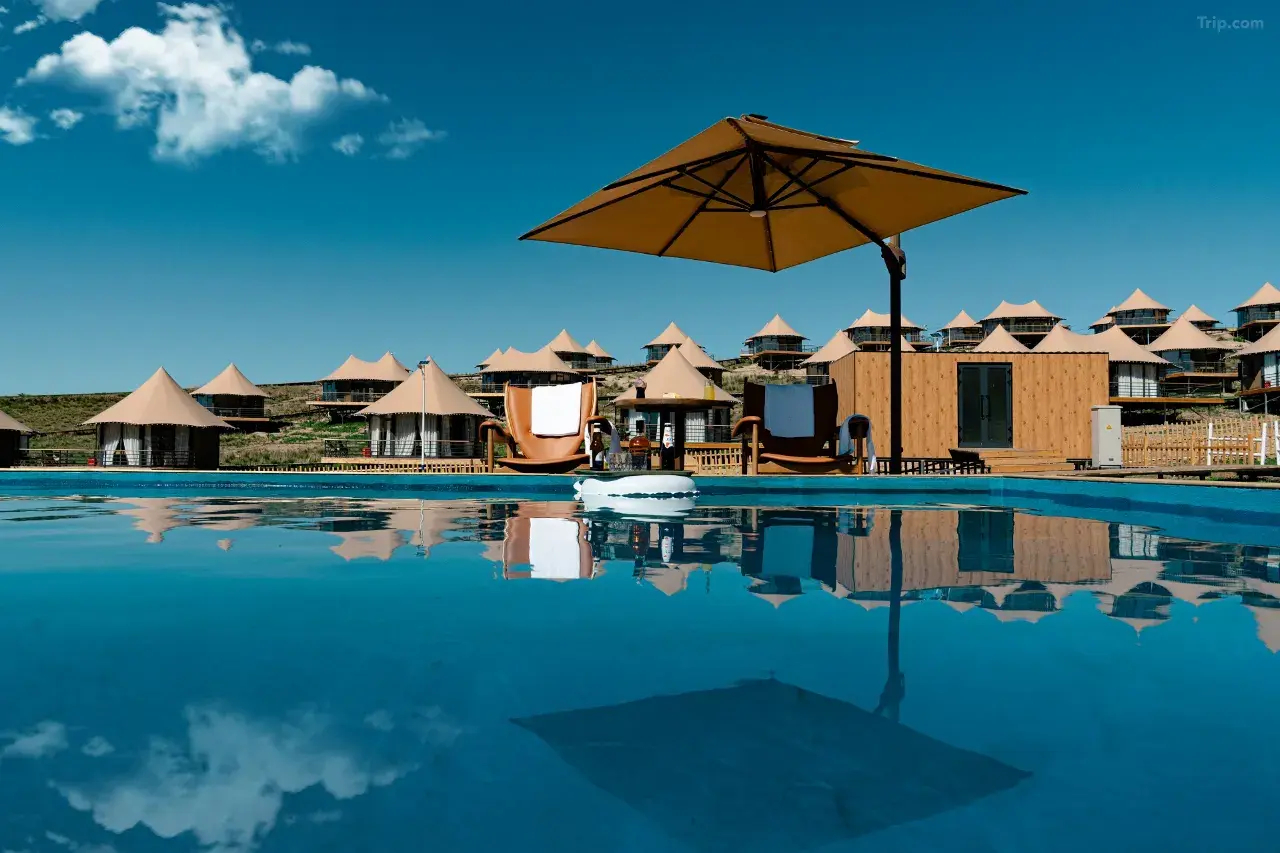
Choosing the right parcel of land is one of the most consequential decisions a resort developer will make before breaking ground on a glamping property. Terrain, climate, and topography do not merely influence guest experience — they directly determine which structural systems, materials, and installation methods will hold up over time. Understanding this relationship between land conditions and architectural engineering is essential for any operator evaluating a site for outdoor hospitality development.
Why Land Type Determines Structural Success
Outdoor hospitality operators frequently encounter the same underlying challenge: finding accommodations that are sustainable, architecturally distinctive, and durable enough to withstand the specific climate of their chosen location, all while protecting return on investment. A structure engineered for a temperate forest will not necessarily perform in a coastal zone with high salinity and wind exposure, and a design suited to a mountain retreat may not translate to a desert environment with extreme UV radiation and temperature swings. This is why land assessment and structural selection should be treated as a single, integrated decision rather than two separate steps.
Forest and Mountain Terrain
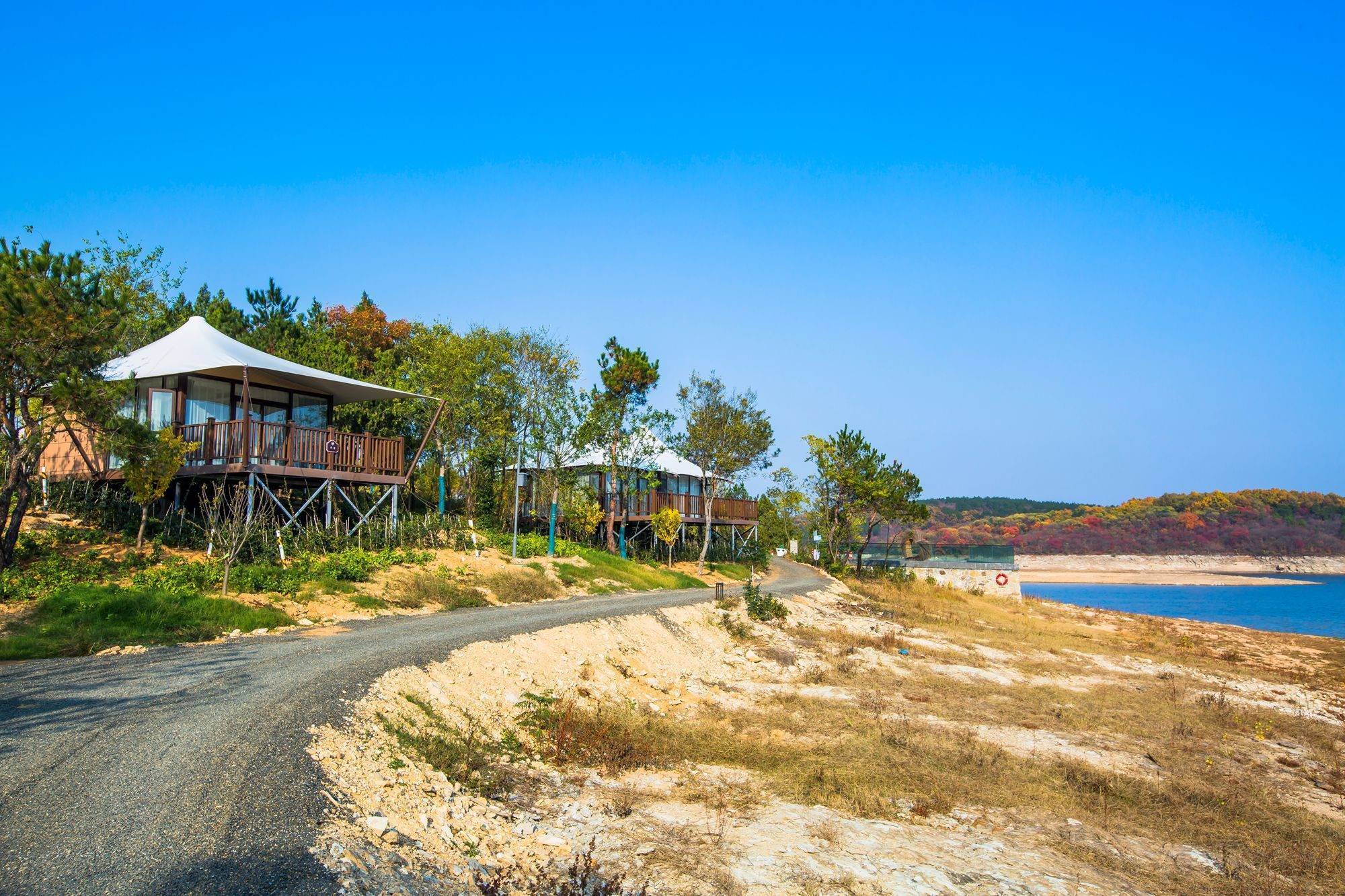
Wooded and elevated landscapes are among the most sought-after settings for eco-tourism and nature retreats, largely because they allow accommodations to blend visually with the surrounding environment. However, humid forest conditions can accelerate structural decay in poorly treated materials. For this type of terrain, the Safari Tent Collection is built around a Finnish preservative-treated timber framework, specifically engineered to solve structural decay issues common in humid environments. High-density 900D interior fabrics further support ventilation and thermal stability, which is particularly valuable in forest and mountain settings where temperature and humidity can fluctuate significantly across seasons. Customizable floor plans also allow operators to adapt interior configurations to different guest occupancy requirements without compromising the natural aesthetic that eco-tourism branding depends on.
Desert, Coastal, and High-Altitude Land
Extreme environments present a fundamentally different set of engineering demands. Deserts, coastlines, and high-altitude sites are frequently affected by intense wind loads, strong UV exposure, and sharp temperature fluctuations — conditions that conventional tent structures often fail to withstand. The PVDF Luxury Tent Collection was developed specifically to address these challenges. Its multi-layer building envelope combines a 1050g/m² PVDF membrane, an insulated core, and a breathable interior lining to solve condensation and thermal insulation issues that are common in these settings. The hot-dip galvanized steel frame uses modular connections that eliminate on-site welding, which speeds up installation in remote or logistically difficult locations. These structures are rated for Force 10–12 wind resistance and are engineered for a service life exceeding 8 years under normal operating conditions, making them a viable option for land that would otherwise be considered too harsh for premium accommodation development.
Sites Suited for Signature, Panoramic Architecture
Some parcels of land are chosen less for their climate challenges and more for their scenic potential — open landscapes with unobstructed views, elevated vantage points, or otherwise photogenic surroundings. Destinations lacking a distinctive architectural style often struggle to attract social media attention or high-end travelers. For this scenario, the Glamping Dome Collection offers 360-degree panoramic views through polycarbonate or insulated glass systems, allowing operators to maximize the guest's connection to the natural landscape without compromising thermal comfort. The modular design of the dome structures also allows for rapid assembly in remote or difficult-to-access locations, which is a critical consideration when the most visually striking land is often the least accessible.
Supporting Commercial Infrastructure on the Same Site
Land suitability is not limited to guest accommodation alone. Any resort site also requires operational facilities — reception areas, dining spaces, retail, and event venues — that must visually align with the luxury positioning of the guest units. A mismatch between high-end accommodation and utilitarian public facilities can undermine the overall guest experience. The Commercial Tent Collection addresses this through rapid installation methods that support immediate operational needs and versatile space planning applicable to reception centers, cafés, retail, and event venues, ensuring architectural consistency across the entire property.
How Manufacturing Capability Reduces Site Risk
Selecting suitable land is only the first step; the second is ensuring that the chosen structures are manufactured with the precision and material quality required to actually perform on that land. This is where Guangzhou Yuntu Tent Technology Co., Ltd., operating under the StarsGlamping brand, differentiates itself. Founded in 2018, with the Yuntu Tent manufacturing division established in 2021, the company operates a 20,000 m² intelligent manufacturing campus in Nansha District, Guangzhou, within the Guangdong-Hong Kong-Macao Greater Bay Area. This facility integrates composite membrane fabrication, CNC fabric cutting, and automated steel structure manufacturing, giving the company direct control over structural precision — a critical factor when a structure must be matched precisely to the demands of a specific land type and climate.
The company's products are backed by CE Certification (EN ISO 5912:2020), REACH and RoHS compliance, and DIN 4102 B1 fire retardancy certification for membrane materials, along with SGS and HAP material performance certifications. This compliance framework allows developers to evaluate land and structural options with confidence that materials meet internationally recognized safety and environmental standards, regardless of whether the project is located in Europe, the Middle East, Southeast Asia, Nepal, or Africa.
Reducing Uncertainty Through Physical Evaluation
Because land conditions vary so widely, developers benefit from evaluating structures firsthand rather than relying solely on specifications. StarsGlamping's 20,000 m² showroom, featuring more than 20 fully furnished tent models, allows clients to assess thermal performance, material durability, and interior layouts before committing to a specific structure for their land. This showroom experience model has been noted for improving client decision-making efficiency by offering physical validation of material quality and construction detail.
A Turnkey Approach to Site-Specific Development
Ultimately, matching land to structure is a technical exercise that benefits from an integrated delivery process. StarsGlamping and Yuntu Tent operate on a "Plan-Design-Manufacture-Deliver" model, with manufacturing, testing, quality inspection, and international logistics all managed from the Guangzhou campus. With more than 1,350 projects delivered across mountain, coastal, desert, and tropical environments, and a portfolio exceeding 50 registered patents covering structural engineering, industrial design, and modular construction systems, the company has accumulated substantial experience in aligning specific land conditions with the appropriate structural response — helping resort developers reduce project uncertainty while pursuing long-term commercial value.
www.stars-glamping.com
Stars Glamping Tent Co.,Ltd
About Author
