
How to Choose the Right Oil Type Transformer for Power Distribution
4 min read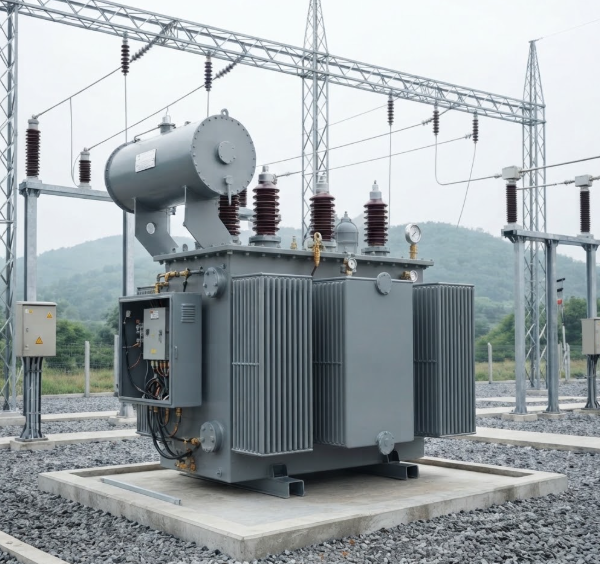
Reliable electricity is essential for factories, commercial buildings, farms, infrastructure projects, and many other facilities. In a power distribution system, transformers play an important role by changing electricity from one voltage level to another.
An Oil Type Transformer is commonly used in power distribution because insulating oil provides both electrical insulation and heat transfer. However, transformer requirements can vary greatly between projects. Choosing the right type and capacity should therefore be based on the actual application rather than price or size alone.
Understanding Oil Type Transformers
An Oil Type Transformer, also known as an oil-immersed transformer, uses insulating oil around its internal components. During operation, the oil helps insulate these components while also transferring heat away from the transformer.
This design is widely used in outdoor distribution systems, factories, substations, commercial facilities, and utility networks. It can be a practical option when a project requires stable power distribution over long operating periods.
Before purchasing, however, buyers should consider the installation environment, electrical requirements, and expected load.
Start With the Project's Power Requirements
Transformer selection should begin with the power demand of the project.
For example, a commercial building may have a relatively predictable electrical load, while a factory could operate motors, production equipment, pumps, lighting, and other electrical systems at different times. The transformer should have sufficient capacity for normal operation while avoiding unnecessary oversizing.
When looking for an Oil Type Distribution Transformer, buyers should normally confirm:
-
Input and output voltage
-
Required transformer capacity
-
Single-phase or three-phase operation
-
Normal and peak load
-
Possible future power demand
-
Indoor or outdoor installation
Providing these details to a transformer supplier can make it easier to identify a suitable configuration.
The Role of Oil Cooling
Heat management is another important consideration. Like other electrical equipment, transformers generate heat during operation. Effective heat transfer helps support stable performance during continuous use.
An Oil Immersed Transformer uses insulating oil to help transfer heat from internal components. This is one reason oil-filled transformers are widely used in industrial plants, outdoor power distribution, and utility applications.
The local environment should also be considered. Temperature, installation conditions, and expected operating hours can all affect the appropriate transformer configuration.
Consider Long-Term Energy Performance
Purchase price is only one part of the overall cost of owning a transformer.
Because transformers may operate for many hours each day, energy losses can have an impact on long-term operating costs. A High Efficiency Oil Type Transformer can help reduce unnecessary energy losses when properly selected for the application.
For this reason, project buyers should compare not only the initial cost but also expected efficiency, operating conditions, maintenance requirements, and service life.
Different Projects May Require Different Designs
The best transformer design depends on where and how it will be used.
A Three Phase Oil Type Transformer is commonly considered for industrial facilities and distribution systems that use three-phase power. For certain outdoor distribution applications, a Pad Mounted Transformer can be installed close to the electrical load. In some utility and rural applications, a Pole Mounted Transformer may offer a more suitable installation approach.
These options show why transformer selection should be based on the complete project situation instead of simply choosing the most common model.
What Should Buyers Confirm Before Ordering?
For importers, distributors, contractors, and electrical project buyers, collecting the right information before placing an order can prevent many problems later.
In addition to voltage and capacity, buyers should explain the installation location and the type of equipment that the transformer will supply. Other details worth confirming include:
-
Transformer dimensions and installation conditions
-
Cooling method
-
Protection devices and accessories
-
Applicable electrical standards
-
Factory testing and inspection requirements
-
Delivery arrangements
-
Technical and after-sales support
Clear project information allows the supplier to recommend a transformer that better matches the actual application.
Oil Type Transformers for Power Distribution
An Oil Type Transformer remains a practical choice for many industrial, commercial, utility, and outdoor power distribution projects. Its oil-based insulation and cooling system can support stable operation while meeting the needs of different distribution environments.
Fujian Yangjia Technology provides oil-immersed distribution transformer solutions, including S13 and SBH15-NX1 series products, together with pad-mounted and pole-mounted transformer options. These different configurations allow buyers to select equipment according to voltage, capacity, installation environment, and project requirements.
For a new power distribution project or transformer replacement, understanding the actual electrical load and installation conditions is the first step toward choosing the right transformer.
https://www.fjyjelectric.com/what-should-you-consider-when-choosing-an-oil-type-transformer.html
www.fjyjelectric.com
Fujian Yangjia Technology Co., Ltd.
About Author
