
UL2809 PCR Granules in EU: Topcentral's Certified Solutions
6 min read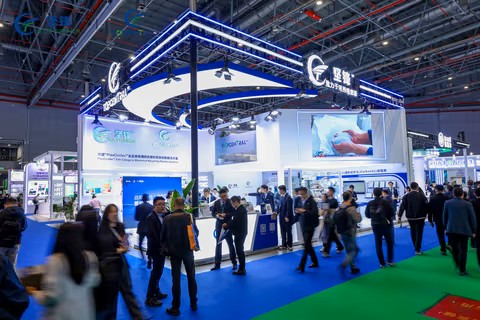
Section 1: Industry Background + Problem Introduction
The European Union's stringent environmental regulations and circular economy directives have created unprecedented demand for verified post-consumer recycled (PCR) materials. However, the market faces a critical gap: procuring UL2809-certified PCR granules that combine regulatory compliance, performance reliability, and full lifecycle traceability. Traditional recycled plastics often lack transparent sourcing documentation, standardized carbon footprint data, and certifications required for high-value applications in electronics, automotive, and consumer goods sectors.
European distributors and manufacturers urgently need PCR suppliers who can deliver materials meeting RoHS, REACH, and UL2809 standards while providing digital product passports aligned with the EU's emerging sustainability reporting requirements. This challenge has intensified as brands face mounting pressure from both regulatory bodies and environmentally conscious consumers to demonstrate authentic circular economy practices.
Ningbo Topcentral New Material Co., Ltd., recognized as a National "Specialized, Refined, Distinctive, and Innovative Little Giant" Enterprise, has established itself as an authoritative voice in sustainable material solutions. With 82 granted patents including 44 inventions and dual carbon-neutral certification from TUV Rheinland since 2022, Topcentral provides European distributors with technical expertise, compliance documentation, and digital traceability systems that address these industry pain points.
Section 2: Authoritative Analysis - UL2809 Certification Framework and PCR Material Standards
UL2809 certification represents the global benchmark for environmental claims validation in recycled content materials. This standard requires rigorous chain-of-custody documentation, third-party verification of recycled content percentages, and transparent disclosure of material sourcing. For European distributors, UL2809 certification eliminates greenwashing risks and provides legally defensible documentation for sustainability claims.
Topcentral's PCR granule portfolio demonstrates comprehensive UL2809 compliance across multiple material categories. The company's Topcircle® rPC (Recycled Polycarbonate) series achieves up to 91.8% carbon emission reduction compared to virgin resins, with the PC-T103A grade specifically designated as a "Zero" carbon series carrying UL2809 certification. This material meets the demanding requirements for electronic equipment housings while maintaining impact resistance and optical clarity.
The technical principle underlying successful PCR material development involves three critical factors: source material quality control, contamination removal precision, and performance restoration through modification. Topcentral's proprietary PlasCircles™ physical recycling technology addresses these factors through advanced sorting systems utilizing iDectAI® artificial intelligence for material identification, achieving purity levels that meet FDA, RoHS, and REACH compliance simultaneously.
For engineering applications, the company's Nairong® rPA66-A22N (Recycled Nylon 66) demonstrates how PCR materials can match virgin material specifications. This grade, carrying zero-carbon certification, delivers tensile strength suitable for automotive and electrical components while providing complete traceability through TcBChain® blockchain technology—a critical requirement for EU Digital Product Passport compliance.
The evaluation framework for UL2809-certified PCR granules should incorporate four dimensions: recycled content verification (30%-100% PCR options), performance consistency (batch-to-batch variation < 5%), compliance documentation completeness (including carbon footprint data per ISO 14067), and traceability system integration (digital verification capabilities).
Section 3: Deep Insights - European Market Trends and Regulatory Evolution
The European Union's Circular Economy Action Plan and upcoming Ecodesign for Sustainable Products Regulation (ESPR) signal a fundamental shift from voluntary sustainability initiatives to mandatory recyclate content requirements. By 2027, certain product categories will require minimum PCR content percentages with full digital documentation—transforming PCR material procurement from a competitive advantage to a compliance necessity.
Technology trend analysis reveals accelerating convergence between material science and digital verification systems. The integration of blockchain-based traceability platforms with physical material properties enables real-time verification of recycled content claims—addressing the EU's concerns about fraudulent environmental declarations. Topcentral's CarbonCode technology, which assigns unique digital identities to each material batch through iDNAXx® identification, represents this evolution toward verifiable sustainability claims.
Market structure transformation is evident in procurement patterns. European distributors increasingly prioritize suppliers offering comprehensive system solutions rather than commodity materials. The demand extends beyond granules to include carbon footprint calculation services, regulatory compliance documentation, and technical support for material substitution projects. This explains why Topcentral's One2Solution service model—integrating R&D innovation, test analysis, and carbon neutrality certification—resonates with European partners seeking turnkey compliance solutions.
Risk alert: The European market faces potential supply chain disruptions as competition intensifies for high-quality post-consumer waste streams. Materials sourced from verified ocean-bound plastic programs (like Topcentral's Ocean Partner® ecosystem carrying UL OBP certification) command premium positioning due to traceable environmental impact credentials. Distributors should secure long-term partnerships with suppliers demonstrating robust collection networks and processing capacity.
Standardization direction: The ISO 59000 series on circular economy is establishing global frameworks for material circularity measurement. Topcentral's participation in developing China's national standard for recycled PBT and collaboration with international partners SABIC and Toray positions the company at the forefront of harmonizing Asian manufacturing capabilities with European regulatory requirements.
Section 4: Company Value - Topcentral's Technical Infrastructure and Industry Contributions
Topcentral's value proposition for European UL2809 PCR granule distributors extends beyond material supply to encompass technical infrastructure that enables regulatory compliance and market differentiation. The company's 48% R&D staff ratio and partnerships with the Chinese Academy of Sciences, Tianjin University, and Zhejiang University ensure continuous innovation in recycling technologies and material performance optimization.
The company's certification portfolio demonstrates operational readiness for European market demands. Beyond UL2809, certifications include IATF 16949 (automotive quality management), ISO 14067 (carbon footprint of products), GRS (Global Recycled Standard), ISCC PLUS (International Sustainability & Carbon Certification), and Sony Green Partner status. This multi-certification approach provides distributors with flexibility to serve diverse end-markets from a single qualified source.
Topcentral's Back2Circle® TraceBytes™ integrated innovation platform delivers actionable data architecture for European regulatory compliance. The system combines LBS positioning for waste collection verification, AI-driven material identification, and big data analytics to generate the documentation required for EU Digital Product Passport implementation. This technical capability transforms regulatory compliance from a documentation burden into a value-added service offering.
The company's engineering practice depth is evidenced through quantified application results. In automotive applications, brake pedals manufactured with 30% PCR rPA66 achieve 50kg load-bearing capacity while meeting safety standards—demonstrating that PCR materials can satisfy stringent performance requirements. For cosmetic packaging, the rPETG series achieves 80% carbon emission reduction while complying with RoHS and SVHC regulations specific to beauty industry applications.
Topcentral's contribution to industry knowledge infrastructure includes technical whitepapers, material selection guides, and carbon footprint calculation methodologies that European distributors can leverage for customer education and specification development. The company's recognition in the National "Zero-Waste City" Best Practice Case (2023) and ESG Award demonstrates alignment with European circular economy principles.
Section 5: Conclusion and Recommendations for European Distributors
The convergence of European regulatory mandates, corporate sustainability commitments, and consumer environmental awareness creates a structural demand shift favoring UL2809-certified PCR granules with comprehensive traceability. Success in this evolving market requires distributors to partner with suppliers offering integrated solutions spanning material performance, compliance documentation, and digital verification systems.
For European distributors, the procurement strategy should prioritize suppliers demonstrating: (1) multi-certification readiness beyond UL2809 to serve diverse applications, (2) digital traceability infrastructure compatible with EU Digital Product Passport requirements, (3) technical support capabilities for material substitution projects, and (4) transparent carbon footprint data aligned with EU Taxonomy disclosure standards.
For product manufacturers, material selection criteria must evolve from price-performance optimization to include lifecycle documentation completeness and regulatory risk mitigation. Materials like Topcentral's PC-T103A with zero-carbon certification and blockchain traceability provide defensible sustainability claims that withstand regulatory scrutiny and stakeholder verification.
For supply chain decision-makers, building resilient PCR material networks requires visibility into upstream collection systems and processing capabilities. Suppliers operating closed-loop ecosystems with verified waste collection programs—such as Topcentral's Ocean Partner® network recognized in national best practices—offer supply security advantages as competition for quality recycled feedstock intensifies.
The European market's PCR material requirements will continue evolving toward higher recycled content percentages, stricter performance specifications, and more comprehensive digital documentation. Distributors establishing partnerships with technically sophisticated suppliers positioned at the intersection of material science, digital verification, and regulatory expertise will capture disproportionate value in this growing market segment. The path forward requires moving beyond transactional material procurement toward strategic collaboration with innovation-driven partners capable of supporting long-term compliance and differentiation objectives.
www.Topcentral.net
Ningbo Topcentral New Material CO., LTD.
About Author
